Altona, Germany
- 250,192 people
- 17 places to visit
- 53.5792, 9.8746
Places to Visit (17)
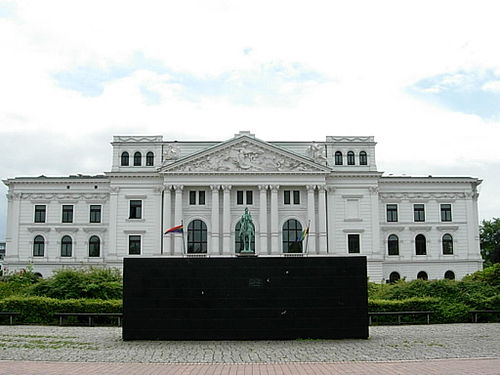
Altona is a district and former independent city in Hamburg, Germany, located on the Elbe River in the northern part of the country. Established in the mid-16th century, Altona developed as a prominent trading port, benefiting from its proximity to the Elbe, which connects the inland areas of Germany to the North Sea. The area was first mentioned in historical records in 1535 and gained significance due to its role in maritime trade. In the 19th century, Altona became known for its shipbuilding industry and its establishment as a free port, which stimulated significant economic growth. Its strategic location made it a bustling hub for merchants, and Altona's population surged during this period, leading to further urban development.
In 1867, Altona was incorporated into the Free and Hanseatic City of Hamburg, though it retained a unique cultural and historical identity. Today, Altona is renowned for its vibrant atmosphere, marked by a mix of residential areas, cultural institutions, and recreational spaces. The district is characterized by a diverse population and numerous neighborhoods, including Altona-Altstadt, which features historical architecture and the famous Altona Fish Market. The district is also home to several parks, the most notable being the Altona Volkspark, which spans over 200 acres and provides residents with ample green space. Altona's waterfront, with scenic views of the Elbe, offers recreational opportunities and is a popular destination for both locals and tourists.
Culturally, Altona is a melting pot, reflected in its dining, music, and art scenes. The area hosts various festivals and events throughout the year, celebrating its rich history and diverse communities. Altona's transport links, including the Hamburg S-Bahn and several bus lines, ensure easy access to the city and surrounding regions, making it an attractive place for both residents and visitors alike. The combination of historical significance, cultural richness, and modern urban life continues to shape Altona's identity as a vital part of Hamburg.
Facts about Altona
- Altona was an independent town until it was annexed by Hamburg in 1937, which gives it a unique status within the metropolitan area.
- The city's historical port played a significant role in trade and shipping in the 19th century, making it one of the busiest ports in Europe at that time.
- Altona is home to the Altona Fish Market, one of the oldest and most famous fish markets in Hamburg, attracting both locals and tourists on Sunday mornings.
- The district features the unique Altonaer Balkon, a scenic promenade that offers stunning views of the River Elbe and the Hamburg skyline.
- Altona was a center for the Danish minority in Germany, with a rich cultural heritage reflected in its architecture and festivals.
- The city hosts the Altona Museum, which showcases the local history and cultural significance of the region from ancient times to the present.
- One of Altona's architectural highlights is the old Altona train station, which was built in 1866 and showcases beautiful historical design.
- Altona is known for its vibrant arts scene, with numerous galleries, theaters, and music venues contributing to its cultural landscape.
- The neighborhood of Ottensen within Altona features a mix of trendy shops, cafes, and restaurants, making it a popular spot for both residents and visitors.
- The borough has a strong focus on sustainability, with initiatives promoting eco-friendly living and green spaces throughout the area.