Altoona PA, United States
- 45,344 people
- 16 places to visit
- 40.5187, -78.3947
Places to Visit (16)
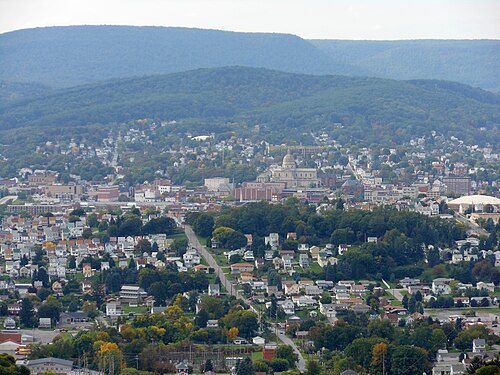
Altoona, Pennsylvania, located in Blair County, is a city rich in history and significance. Founded in the mid-19th century, it grew rapidly due to its strategic location as a railroad hub. The city was officially incorporated in 1868 and became a vital part of the Pennsylvania Railroad system, serving as a key point for the movement of goods and passengers across the region. The city’s population swelled with the growth of the railroad industry, reaching its peak of over 50,000 residents in the early 20th century. Today, Altoona is known for its historic architecture and well-preserved districts that reflect its industrial past, including the iconic Horseshoe Curve, a renowned engineering marvel that remains in operation as part of the Norfolk Southern Railroad.
Economically, Altoona has seen various shifts. While it once thrived primarily on railroad-related industries, the local economy has diversified over the years. Today, healthcare, education, and retail play significant roles in sustaining the economy. The city is home to several institutions, including the Altoona Hospital and Penn State Altoona, a campus of The Pennsylvania State University that contributes to the educational landscape and workforce development in the region. Cultural and recreational opportunities abound, with attractions like the Altoona Curve minor league baseball team providing entertainment, along with numerous parks and annual events that celebrate the community's heritage and diversity.
Despite facing challenges over the years, including population decline and economic restructuring, Altoona remains a vibrant and resilient city. Its commitment to revitalization is evident in ongoing development projects aimed at enhancing the quality of life for residents and attracting visitors. Community initiatives focus on preserving historical sites while promoting new business ventures, contributing to an invigorated downtown area. Altoona's location in the scenic Allegheny Mountains allows for recreational activities, such as hiking and biking, solidifying its appeal as a destination for nature lovers. With its blend of historical significance, economic evolution, and natural beauty, Altoona continues to carve out its identity in the heart of Pennsylvania.
Facts about Altoona
- Altoona is home to the Horseshoe Curve, a National Historic Landmark that is recognized as an engineering marvel and crucial to the development of railroads in the United States.
- The city was an important site during the Civil War as a strategic military supply route and was the original home of the Pennsylvania Railroad.
- Altoona's Lafayette Avenue is one of the few streets in the country to feature a unique design with its series of 90-degree turns, leading to its nickname as 'the crooked street of Altoona.'
- The Altoona Curve, a minor league baseball team, is affiliated with the Pittsburgh Pirates and has won multiple Eastern League championships, contributing to Altoona's reputation as a sports town.
- Altoona features the famous Railroaders Memorial Museum, which honors the city's rich railroad history and the contributions of railroad workers.
- The city was once the location of the largest auto assembly plant in the world, the Altoona Auto Plant, which produced thousands of vehicles each year during the mid-20th century.
- Altoona is unique in having one of the highest populations of Irish Americans per capita in the United States, with a rich cultural heritage celebrated in its local festivals.
- The city hosts the annual Horse-Shoe Curve Train Show, which attracts model train enthusiasts from around the country, showcasing Altoona's long-standing connection to railroads.
- Altoona's scenic surroundings include the Allegheny Mountains, making it a popular destination for outdoor activities such as hiking and biking.
- The city has a diverse array of architecture, including Victorian homes and historic buildings, which reflect the growth and prosperity of Altoona during the late 19th and early 20th centuries.