Alvarado, Mexico
- 23,128 people
- 8 places to visit
- 18.7696, -95.7589
Places to Visit (8)
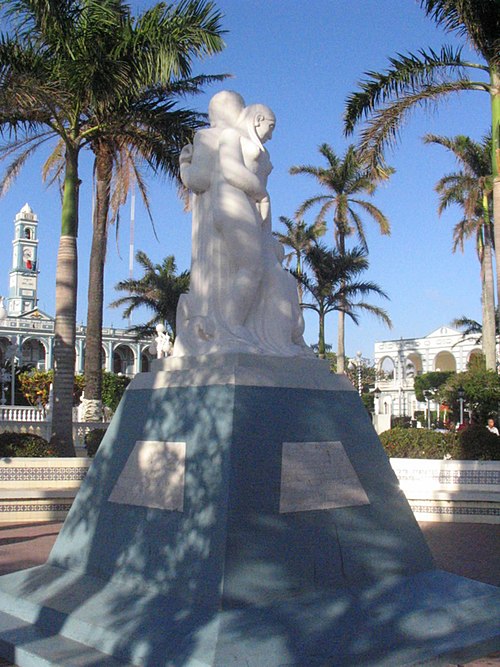
Alvarado is a municipality and city located in the state of Veracruz, Mexico. Situated along the Gulf Coast, about 90 kilometers south of the state capital, Veracruz City, Alvarado has a rich history that dates back to pre-Columbian times. The area was originally inhabited by the Totonac civilization and later became a significant site during the Spanish colonization of Mexico in the 16th century. The city played a crucial role in the early colonial economy, particularly due to its strategic location as a port on the Papaloapan River, facilitating trade and transportation for goods and resources.
The economy of Alvarado traditionally revolves around fishing, agriculture, and commerce. The region is known for its high-quality shrimp, shellfish, and other seafood products, making fishing a vital part of the local economy. Agriculture is also prominent, with the cultivation of crops like sugarcane and various fruits. The city is supported by small and medium-sized enterprises that contribute to its economic landscape. Alvarado's cultural heritage is reflected in its vibrant traditions, cuisine, and annual festivals, which often showcase music, dance, and local gastronomy. One such celebration is the Feast of the Virgin of the Assumption, where religious and cultural elements intertwine, attracting visitors from surrounding areas.
Alvarado's geography features a mixture of coastal plains, rivers, and wetlands, offering diverse ecosystems that support various flora and fauna. The nearby Papaloapan River, known as the "River of the Gods," provides opportunities for ecotourism, allowing visitors to explore the region's natural beauty. Although the city itself is relatively small, it serves as a gateway to nearby attractions, such as the ecological reserves and historical sites of Veracruz State. With its rich historical significance, thriving local economy, and cultural vibrancy, Alvarado remains a notable city within the context of Mexican coastal communities.
Facts about Alvarado
- Alvarado is known for its rich history dating back to its founding in 1525, making it one of the oldest towns in Mexico.
- The city played a significant role during the Mexican War of Independence, leveraging its strategic coastal location.
- Alvarado is famous for its vibrant carnival celebrations, which are among the most colorful and lively in the state of Veracruz.
- The city hosts the annual 'Fiesta de la Candelaria,' a celebration that attracts visitors with traditional music, food, and dance.
- Alvarado is situated along the Gulf of Mexico, providing the region with a unique coastal ecosystem rich in biodiversity, including mangroves and estuaries.
- The historical architecture of Alvarado, particularly its colonial-era churches and buildings, showcases a blend of indigenous and Spanish influences.
- Alvarado's economy is significantly bolstered by fishing and shrimping, making it an important hub for seafood production in the region.
- The town is recognized for its traditional handicrafts, especially woven products and pottery, which reflect the local culture.
- Alvarado is home to the 'Tierra de las Tres Culturas' festival, celebrating the city's indigenous, Spanish, and African heritage.
- The nearby 'Lago de Alvarado' is a significant natural resource that supports fishing activities and attracts eco-tourism.