Alwar, India
- 283,228 people
- 8 places to visit
- 27.553, 76.6346
Places to Visit (8)
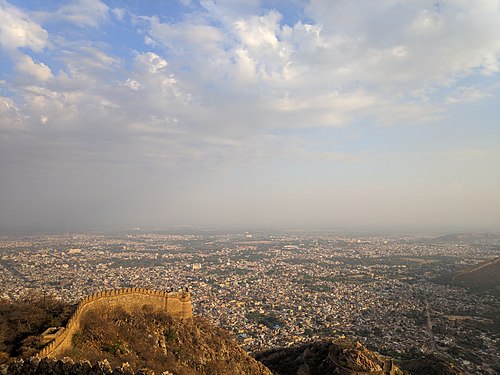
Alwar is a city located in the Alwar district of the Indian state of Rajasthan. The city is situated about 150 kilometers south of Delhi and 60 kilometers north of Jaipur, making it a significant point on the tourist map of the region. Historically, Alwar lies in the heart of the Aravalli Range and boasts a rich cultural heritage that dates back to the 11th century. It was established as a princely state and has a storied past characterized by various rulers, including the Rajputs. The city was once a prominent center for trade and commerce, which contributed to its development and eclectic architectural landscape, characterized by a mix of Rajput, Mughal, and modern influences.
Alwar is renowned for its historical monuments and natural beauty. The majestic Alwar Fort, or Bala Qila, stands atop a hill and provides panoramic views of the surrounding landscape. Other notable sites include the City Palace, which showcases intricate architecture and opulent courtyards, and the Sariska Tiger Reserve, a nearby wildlife sanctuary that is home to a variety of flora and fauna, including the elusive Bengal tiger. The region is also famous for its traditional handicrafts, especially pottery and textiles. Alwar is a vibrant hub for local festivals, with celebrations such as the Alwar Festival and the Baishakha Mela attracting tourists and locals alike. The city's culinary delights, particularly its sweets and spicy snacks, add to its appeal, making it a destination for food enthusiasts. Overall, Alwar captures the historical essence and cultural richness of Rajasthan, offering visitors a glimpse into both its storied past and vibrant present.
Facts about Alwar
- Alwar is home to the magnificent Bala Quila (Alwar Fort), which dates back to the 15th century and offers a stunning view of the surrounding countryside.
- The city is known for the Sariska Tiger Reserve, a national park that is a significant habitat for the Bengal tiger and other wildlife.
- Alwar hosts the famous Bhangarh Fort nearby, recognized as one of the most haunted places in India, attracting both tourists and paranormal enthusiasts.
- The city has a rich history associated with the Rajput dynasty, with influences visible in its architecture and cultural practices.
- Alwar is renowned for its unique culinary offering called 'Alwar Ki Kalakand,' a delicious sweet made from milk and khoya, celebrated during festivals.
- The Aravali Hills surround Alwar, making it popular for trekking and adventure activities, distinguishing it from other plain cities in Rajasthan.
- Alwar is the birthplace of the famous singer and composer Tansen, one of the nine gems of the Mughal court, highlighting its cultural significance.
- The city has a unique blend of Rajasthani and Mughal architectural styles as seen in many of its havelis and palaces.
- A notable event in Alwar is the 'Maharaja Suraj Mal Mela,' which is celebrated annually, showcasing cultural performances and local crafts.
- Alwar has a significant place in India's independence movement, being one of the towns where local leaders actively worked against British rule.