Alytus, Lithuania
- 49,195 people
- 16 places to visit
- 54.3961, 24.0461
Places to Visit (16)
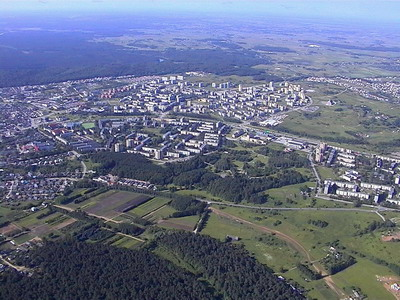
Alytus is a vibrant city located in southern Lithuania, known for its picturesque landscapes and rich history. As one of the largest cities in the country, it serves as the administrative center of Alytus County. Situated along the banks of the Nemunas River, Alytus is surrounded by lush greenery and is near several natural reserves, making it an attractive destination for nature enthusiasts. The city has a population of approximately 50,000 residents, contributing to a diverse cultural atmosphere that reflects both historical influences and modern developments.
The history of Alytus dates back to the 14th century, with its first documented mention occurring in 1377. Over the centuries, it has evolved from a small settlement into a significant urban center. In the 19th century, Alytus experienced industrial growth, particularly in sectors such as textiles and timber processing. The city played a crucial role during various historical events, including World War II, when it endured significant hardships due to occupation and conflict. Today, Alytus showcases a blend of historical architecture, such as the Church of St. Angel Michael, and contemporary structures, reflecting its evolving identity.
Alytus is also known for its cultural life, hosting numerous festivals and events that celebrate Lithuanian traditions. The city is home to various educational institutions, contributing to a youthful demographic. Sports and recreational facilities add to its vibrancy, with basketball being particularly popular among locals. The nearby Dainava Park and the historic Alytus Fortress are key attractions, allowing residents and visitors alike to engage with the city's rich heritage and natural beauty. Overall, Alytus stands as a significant hub in Lithuania, embodying the essence of both the past and the future, while continually evolving to meet the needs of its populace.
Facts about Alytus
- Alytus is known for being one of the oldest cities in Lithuania, with a history that dates back to at least the 14th century.
- The city is located near the confluence of the Nemunas and Alytus rivers, giving it a unique geographical significance in the region.
- Alytus is famous for its unique A. Juozapavičius Bridge, which is an impressive architectural landmark that combines functionality with aesthetic value.
- Home to the Alytus City Theatre, the city is a cultural hub that hosts various artistic performances and festivals throughout the year.
- Alytus has a distinctive historical legacy as a center for the Jewish community before World War II, with several preserved sites commemorating its heritage.
- The city is recognized for its extensive green spaces, including the Dainava Park, which provides recreational areas unlike many other urban centers in Lithuania.
- Alytus hosts an annual festival called the Alytus City Festival, which celebrates local culture, music, and arts, attracting visitors from across the country.
- The modern Alytus is a growing industrial center, being home to several innovative businesses, especially in the fields of recycling and woodworking.
- Alytus has a notable landmark, the 'Alytus Water Tower,' which is one of the tallest structures in the city and offers panoramic views of the surroundings.
- The city is also known for its strong sporting culture, particularly in basketball, having produced several talented athletes who have competed at national and international levels.