Amagasaki, Japan
- 442,173 people
- 8 places to visit
- 34.7327, 135.4058
Places to Visit (8)
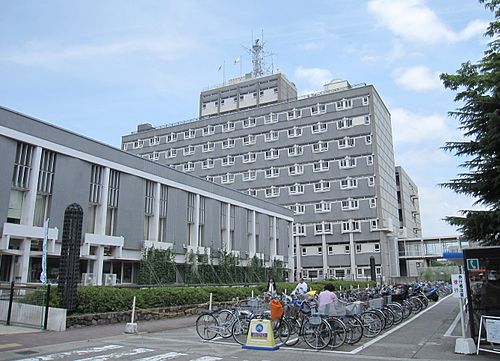
Amagasaki is a city located in Hyōgo Prefecture, Japan, situated just northwest of Osaka. With a population of approximately 450,000 residents, Amagasaki is part of the Osaka metropolitan area and serves as an important industrial and commercial hub. The city covers an area of about 50 square kilometers and has a rich historical background that dates back to ancient times. Its strategic location along the Yodo River facilitated trade and transportation, contributing to its growth as a center of commerce.
Historically, Amagasaki has been significant since the Edo period when it became known for its thriving fishing industry. In modern times, the city has evolved into an essential site for manufacturing, particularly in sectors such as machinery, chemicals, and food processing. Transportation infrastructure is well-developed, with various railway lines connecting Amagasaki to Osaka and nearby cities, making it a convenient residential area for commuters. The city also boasts a range of educational institutions, parks, and cultural facilities, enhancing the quality of life for its residents.
Amagasaki is known for its vibrant neighborhoods, offering a blend of urban and suburban living. Cultural events and festivals, such as the Amagasaki Gion Festival, showcase local traditions and foster community spirit. Additionally, the city is home to notable historical sites, including the Amagasaki Castle ruins and various temples that reflect its rich heritage. As Amagasaki continues to grow and modernize, it maintains its cultural identity while adapting to the changing dynamics of contemporary Japan.
Facts about Amagasaki
- Amagasaki is known for its unique dialect, which combines aspects of both the Kansai and Osaka dialects, making it distinct from neighboring areas.
- The city is home to the famous Amagasaki Castle, originally built in the early Edo period, which is a notable historical landmark despite its current reconstruction.
- Amagasaki was a major center for heavy industry and manufacturing during the post-World War II economic boom in Japan, particularly known for its shipbuilding yards.
- The city hosts the Amagasaki Cultural Center, which is a hub for arts and performances, reflecting the area's rich cultural scene.
- It is famous for its delicious local cuisine, particularly the Amagasaki-style 'kushikatsu', which features deep-fried skewered meat and vegetables.
- Amagasaki is located in close proximity to Osaka, making it a significant commuter town with a unique blend of urban and suburban characteristics.
- The city has a thriving baseball culture and is home to the Amagasaki-based amateur baseball team that regularly competes in local leagues.
- Amagasaki has a strong connection to the Yamakoshi region in Niigata Prefecture, where the citizens of Amagasaki contributed significantly to recovery efforts after the 2004 earthquake.
- The city celebrated its 100th anniversary of incorporation in 2001, marking its historic evolution from a small fishing village to a vibrant urban area.
- Amagasaki is one of the few cities in Japan with a unique blend of modern urban life and preserved historical sites such as the Old Amagasaki Station, showcasing its development over the decades.