Amarnāth, India
- 217,780 people
- 19.2, 73.1667
No places available for this city.
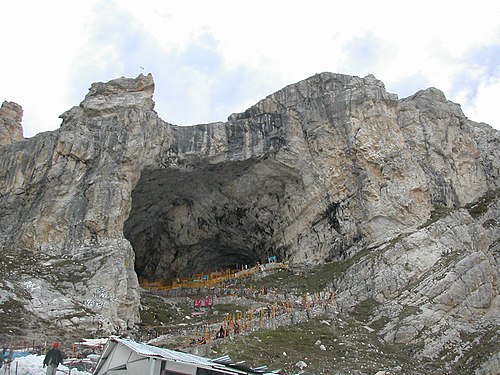
Amarnāth, located in the northern Indian state of Jammu and Kashmir, is renowned for its significance in Hindu mythology and spirituality. Situated in the picturesque Himalayas, Amarnāth is best known for the Amarnāth Cave, which houses a naturally occurring ice Shiva Linga, a symbol of the Hindu deity Lord Shiva. The cave attracts thousands of pilgrims each year, especially during the annual Amarnāth Yatra, a pilgrimage that takes place during the summer months, typically from late June to August. The journey to the cave, which stands at an altitude of about 3,888 meters (12,756 feet), involves trekking through challenging mountainous terrain and is considered a life-changing experience by many devotees.
Historically, the Amarnāth Cave has been a site of worship for centuries, and its significance is rooted in various legends associated with Lord Shiva. According to Hindu belief, it is here that Lord Shiva revealed the secret of immortality to his consort, Parvati. The cave, surrounded by stunning natural beauty, offers breathtaking views of the surrounding landscape, characterized by lush greenery and lofty peaks. Apart from its religious significance, Amarnāth contributes to the local economy through tourism, providing livelihoods for many in the region. The pilgrimage also fosters a sense of unity and community among devotees, transcending barriers of caste and creed. Despite the challenging climatic conditions, which can see heavy snowfall in winter, Amarnāth remains a revered pilgrimage site attracting visitors not only from India but around the world.
Facts about Amarnāth
- Amarnāth is home to the renowned Amarnath Cave, which houses a naturally occurring ice Shivling, a significant pilgrimage site for Hindus.
- The Amarnath Yatra, an annual pilgrimage to the cave, attracts thousands of devotees each year, making it one of the most important religious events in India.
- The cave is situated at an altitude of about 3,888 meters (12,756 feet) and is accessible only during the summer months, typically July to August.
- Legend has it that the cave was discovered by a shepherd, but it is also closely associated with the mythological tale of Lord Shiva's explanation of immortality to Goddess Parvati.
- The Amarnath cave is surrounded by stunning Himalayan scenery, including snow-capped peaks, lush meadows, and glacial water bodies, making it a unique natural landmark.
- The pilgrimage involves trekking through challenging mountain terrain, contributing to its reputation as both a spiritual and physical journey.
- The area around the Amarnath Cave has been a significant site of worship for Hindus for centuries and is mentioned in ancient texts like the Skanda Purana.
- Amarnāth serves as a melting pot of diverse cultures, with pilgrims from various regions and backgrounds converging at the site during the yatra.
- The region is officially administered by the Shri Amarnathji Shrine Board, established by the Government of Jammu and Kashmir to manage pilgrimage operations.
- During the Amarnath Yatra, the state of Jammu and Kashmir witnesses a significant influx of economy-driven activities, boosting local tourism and providing vital income to local residents.