Ambāla, India
- 146,787 people
- 14 places to visit
- 30.3752, 76.7821
Places to Visit (14)
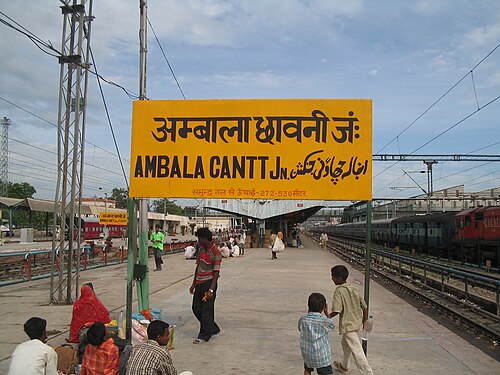
Ambāla is a prominent city located in the northern Indian state of Haryana. Situated at the crossroads of Punjab and Himachal Pradesh, it serves as a significant hub for trade, transportation, and military. Ambāla is approximately 200 kilometers north of Delhi and 50 kilometers from Chandigarh, making it strategically important for both commercial and defense activities. The city is known for its rich history, with roots dating back to ancient times. It is believed to have been the site of various historical events, particularly during the British Raj, when it was established as an essential military station. The city's architecture reflects its colonial past, with numerous buildings showcasing gothic and British architectural styles.
The economy of Ambāla is diverse, relying on agriculture, manufacturing, and services. The region is known for producing a variety of crops, including wheat, rice, and vegetables. Additionally, Ambāla is famous for its various small-scale industries, particularly in the manufacturing of electronics, garments, and machinery. The city houses several educational institutions, with Ambāla Cantonment being known for its reputed military schools and colleges. It is also a cultural melting pot, with a mix of traditions and festivals that reflect the diverse communities residing there. Festivals like Diwali, Holi, and Eid are celebrated with enthusiasm, showcasing the city’s communal harmony.
Ambāla offers several attractions, including religious sites and natural beauty. The Bhawani Amba Temple is a notable spiritual destination, attracting devotees from across the region. Historical landmarks include the Ambāla Fort, which stands as a reminder of its military significance, and numerous colonial-era buildings. The city's proximity to the Shivalik mountain range provides opportunities for outdoor activities and exploration. With its strategic location, rich history, and vibrant culture, Ambāla continues to play a crucial role in the socio-economic development of Haryana and northern India.
Facts about Ambāla
- Ambāla is known as the 'Gateway to the Himalayas' due to its strategic location on the main route to the northern hill stations.
- The city houses the historic Ambāla Cantonment, one of the oldest cantonments in India, established by the British in the early 19th century.
- Ambāla is famous for its diverse cuisine, particularly for its unique variety of 'Amba' sweets, which are not typically found in other regions of India.
- The city is home to the first-ever scientific store in North India, known as Gita Bhavan, which showcases the blending of commerce and science.
- Ambāla is a significant center for the Indian Army and Air Force, hosting major military establishments and training centers.
- The city features several architectural landmarks, including the ancient Shri Radha Krishan Mandir and the beautiful Ambāla Cathedral, highlighting its rich cultural heritage.
- Ambāla is also known for its active brassware industry, producing a variety of brass and copper products that are exported globally.
- The Ambāla Railway Station, established in 1885, is one of the oldest in the region and a key junction on the Indian Railway network.
- Ambāla's local markets, particularly the old city market, are famous for selling traditional Indian textiles, handicrafts, and embroidered fabrics.
- The city played a crucial role during the Indian Rebellion of 1857, serving as a staging ground for uprisings against British rule.