Amberg, Germany
- 44,737 people
- 10 places to visit
- 49.4403, 11.8633
Places to Visit (10)
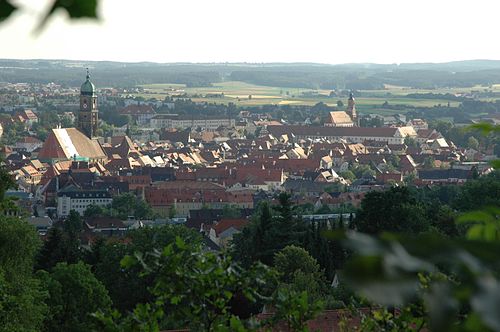
Amberg is a picturesque town located in the Upper Palatinate region of Bavaria, Germany, known for its rich history and well-preserved medieval architecture. Situated at the confluence of the Vils and Lauter rivers, Amberg serves as a charming center for culture and commerce. The town's roots can be traced back to the Roman Empire, with historical evidence suggesting that it was a settlement known as "Ambra" during that period. In the Middle Ages, Amberg flourished as a prominent trading hub and was granted city rights in 1276. Today, it retains its historical charm, with cobblestone streets, ancient walls, and notable landmarks such as the Gothic-style St. Martin's Church and the impressive medieval castle, known as the "Amberger Schloss."
Culturally, Amberg is vibrant and dynamic, hosting various events throughout the year that celebrate its heritage and traditions. The town is home to the Amberger Jazz Innovations, a festival that brings together local and international artists, and the annual Amberg Fair, which showcases regional crafts and culinary delights. With a population of around 42,000 residents, Amberg combines a cozy small-town atmosphere with the amenities of a modern city, including shopping, dining, and recreational opportunities. The surrounding natural landscape offers numerous outdoor activities, from hiking and cycling in the nearby hills to enjoying the tranquility of the local rivers. Additionally, Amberg's location provides easy access to larger cities such as Regensburg and Nuremberg, making it an ideal spot for both residents and visitors seeking to explore the heart of Bavaria. As a town that embraces both historical significance and contemporary life, Amberg continues to enchant those who wander through its storied streets.
Facts about Amberg
- Amberg is known for its well-preserved medieval city center, which features a unique blend of architecture from various periods, including the Gothic and Renaissance styles.
- The city is home to the Amberg Fortress, a significant historical site that dates back to the late 14th century and offers scenic views of the surrounding area.
- Amberg has a distinctive local tradition of glassmaking, with the presence of several artisan shops that have been crafting glass products for generations.
- Every year, Amberg hosts the 'Amberg Old Town Festival,' which celebrates the city's history and culture with music, food, and traditional crafts showcased in its picturesque streets.
- The city played a crucial role in the development of the Bavarian beer culture, and it is notable for its local breweries and beer gardens, including the historic 'Amberger Brauhaus.'
- Amberg is part of the European Route of Brick Gothic, which highlights its unique brick architecture, distinguishing it from cities primarily known for stone buildings.
- The city is also known for the Amberg-Werke, a cultural and educational institution dedicated to promoting traditional craftsmanship and local artisan skills.
- Amberg has a rich musical heritage, being the home of various music festivals that showcase regional and international artists throughout the year.
- The city was historically a significant center for silver mining and trade, which greatly influenced its economy and development during the Middle Ages.
- Amberg is located at the confluence of two rivers, the Vils and the Chamb, making it a picturesque town with scenic riverside promenades and outdoor recreational activities.