Ambon, Indonesia
- 347,288 people
- 10 places to visit
- -3.6387, 128.1689
Places to Visit (10)
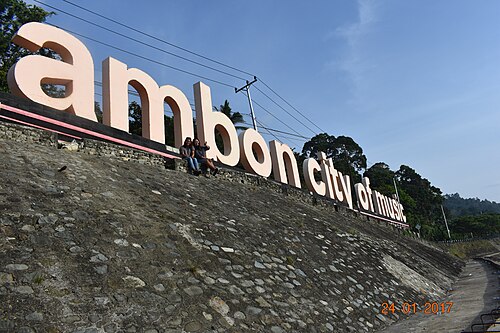
Ambon is the capital city of the Maluku Province in Indonesia, located on the island of Ambon, which is part of the Maluku archipelago. The city has a rich history and cultural heritage, serving as an important port and trading center during the spice trade era in the 16th and 17th centuries. Its strategic geographic position made it a focal point for various colonial powers, including the Portuguese and the Dutch, who battled for control of the lucrative spice islands. Today, Ambon is known for its diverse culture, influenced by the native Ambonese, Christian, and Muslim communities, as well as the various ethnic groups that have settled in the region over centuries. The city features a blend of traditional architecture and colonial buildings, reflecting its multicultural past.
Economically, Ambon relies heavily on agriculture, trade, and fishing, with products such as cloves, nutmeg, and fish being significant to the local economy. The city faces challenges, including infrastructural development and natural disasters like earthquakes, which are not uncommon in this seismically active region. However, it also boasts natural beauty with stunning beaches, coral reefs, and lush hills that attract tourists seeking adventure and a glimpse into the vibrant culture. The local government has made efforts to promote tourism, highlighting attractions such as the World War II memorials, Fort Amsterdam, and the traditional Ambonese music and dance. Despite its challenges, Ambon remains a city of resilience and cultural richness, contributing to Indonesia's diverse tapestry.
Facts about Ambon
- Ambon is known as the 'City of Music' due to its rich musical heritage and the traditional Ambonese music genre, which features unique indigenous instruments.
- Historically, Ambon was a focal point of the spice trade in the 16th and 17th centuries, making it a significant economic center during colonial times.
- The city is the capital of Maluku province and has a diverse cultural heritage influenced by various ethnic groups, including indigenous Ambonese, Dutch, Arab, and Portuguese settlers.
- Ambon has a unique historical landmark, Fort Amsterdam, built by the Dutch in the 17th century, which played a crucial role in the spice trade and colonial control.
- The city is home to several notable churches, including the World Peace Monumen and the old Victoria Church, which reflect the city's history of religious diversity.
- Ambon was the epicenter of violent sectarian conflicts in the late 1990s, but has since made significant strides toward peace and reconciliation.
- The annual 'Ambon City Music Festival' showcases local talent and promotes the music of Ambon, attracting visitors from across Indonesia.
- Ambon boasts stunning natural landscapes, with the surrounding islands offering diving and snorkeling opportunities that are different from many other coastal cities in Indonesia.
- The Maluku Islands, of which Ambon is a part, are often referred to as the 'Spice Islands' and are known for their rich biodiversity and endemic species.
- Ambon has a unique culinary scene, famous for dishes like 'Papeda' and 'Ikan Kuah Asam', which highlight local ingredients and culinary traditions not commonly found in other Indonesian cities.