Ambur, India
- 109,873 people
- 4 places to visit
- 12.7802, 78.7177
Places to Visit (4)
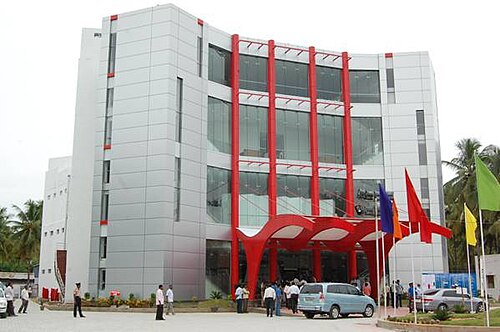
Ambur is a city located in the Vellore district of Tamil Nadu, India. It is positioned approximately 160 kilometers southwest of the state capital, Chennai, making it an accessible destination for both commerce and tourism. Ambur is notable for its rich history, vibrant culture, and its significance as a commercial hub, particularly known for its tannery industry. The city has a diverse population and is characterized by a blend of various communities, which is reflected in its festivals, traditions, and culinary offerings.
One of the most distinctive features of Ambur is its leather industry, which has earned it the reputation of being one of the key centers of leather production in India. The town’s tanneries are well-known for producing high-quality leather products that are exported worldwide. Additionally, Ambur is famous for its biryani, a savory rice dish that holds a special place in the local cuisine and has gained popularity beyond the region. The annual celebrations and events in Ambur often highlight its cultural diversity, with various religious festivals such as Pongal, Diwali, and Eid being celebrated with great enthusiasm.
Ambur is also geographically significant, situated along the banks of the Palar River, which provides natural resources and contributes to the local agrarian economy. The city is well-connected by road and rail, facilitating easy transportation for trade and travel. Moreover, the surrounding areas offer scenic landscapes, including hills and forests, making Ambur an attractive spot for nature enthusiasts. With its blend of industrial prowess and cultural richness, Ambur continues to be a small yet essential part of Tamil Nadu’s socio-economic fabric.
Facts about Ambur
- Ambur is renowned for its high-quality leather production and is often referred to as the 'Leather City of India'.
- The city is famous for Ambur Biriyani, a unique style of biryani that is different from other varieties found in India, characterized by its spicy flavor and use of seeraga samba rice.
- Ambur played a significant role during the British colonial period, serving as a major center for trade in textiles and leather goods.
- The city is home to the iconic Ambur Fort, built in the 16th century by the Nawab of Arcot, which reflects the architectural style of that era.
- Ambur has a rich cultural heritage with influences from various dynasties, including the Cholas and the Nawabs, leading to a diverse blend of traditions.
- The city hosts the annual 'Ambur Chithirai Thiruvizha' festival, celebrating the local culture with music, dance, and food.
- Ambur is strategically located on the National Highway 46, making it a vital hub for trade and transportation in the region.
- The city is also known for its educational institutions, including the Ambur Engineering College, which contributes to the development of higher education in Tamil Nadu.
- Ambur is recognized for its community of traditional craftspeople, including artisans skilled in leather crafting and handloom weaving.
- The city is adjacent to the scenic Vaniyambadi Hills, attracting nature lovers and trekkers who seek out its picturesque landscapes.