Americana, Brazil
- 196,022 people
- 10 places to visit
- -22.738, -47.334
Places to Visit (10)
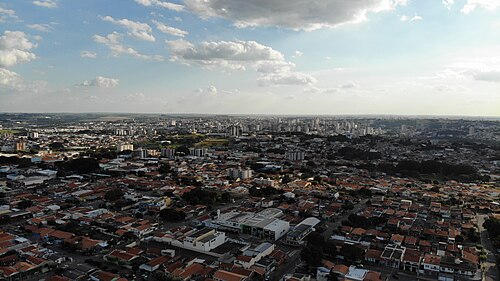
Americana is a city located in the state of São Paulo, Brazil, known for its rich cultural heritage and economic potential. It lies approximately 120 kilometers northwest of São Paulo city, placing it within a key industrial and agricultural region of the country. Founded in 1875 by American colonists, Americana's name reflects its origins, and it has grown significantly over the years, transitioning from a rural settlement to a modern urban center. The city is part of the Campinas Metropolitan Area and stands out for its well-developed infrastructure, including a robust transportation network consisting of highways and railways that facilitate the movement of goods and people.
The economy of Americana is diverse, featuring strong industrial, commercial, and agricultural sectors. The city is particularly renowned for its textile and furniture industries, contributing significantly to both local and national economies. Additionally, Americana plays a vital role in agriculture, with nearby farmlands producing a variety of crops. The city is not only a commercial hub but also offers a high quality of life, characterized by well-maintained public spaces, numerous parks, and cultural amenities. The annual events, such as the Festa do Peão de Americana, celebrate the local traditions and attract visitors from across the region, showcasing the city’s vibrant communal spirit. Moreover, Americana is known for its educational institutions, including several renowned schools and colleges, reinforcing its status as a center for learning and development.
With a population of around 200,000 residents, Americana balances urban development with a commitment to environmental sustainability. The city is making strides toward promoting green spaces and improving public services, ensuring a harmonious living environment for its inhabitants. Its strategic location near major economic centers and ongoing investment in infrastructure and services position Americana as a city of growth and opportunity in Brazil, reflecting the broader trends of urbanization and economic expansion within the country.
Facts about Americana
- Americana is home to the first industrial cotton spinning mill in Brazil, which was established in 1890, showcasing its historical significance in the textile industry.
- The city is renowned for its annual Cow Parade, one of the largest public art events in the world, where artists decorate cows that are displayed throughout the city.
- Americana has a large population of descendants of German and Italian immigrants, which contributes to its unique cultural blend and traditional festivals.
- The Municipal Market of Americana is famous for its diverse food offerings, including typical Brazilian snacks, fresh produce, and regional delicacies not commonly found in other cities.
- Americana is part of the metropolitan region of Campinas, but it maintains its own distinct identity, celebrated through local events like the Festa das Flores (Flower Festival).
- The city has a notable sports history, particularly in basketball, with a successful and passionate local team, reinforcing its reputation in Brazilian sports culture.
- Americana’s main park, Parque da Liberdade, is a significant urban green space that hosts various community events and activities, differentiating it from other urban areas in Brazil.
- The city was named after the American-style architecture that influenced its early buildings in the 19th century, reflecting a unique cultural connection not commonly seen elsewhere in Brazil.
- Americana hosts an important automotive industry, contributing to Brazil's car manufacturing, which distinguishes it as a key player in the economic landscape of the region.
- The city's vibrant nightlife, especially the outdoor street fairs and artisan markets, provides a distinctive atmosphere that attracts both locals and tourists to experience Brazillian culture.