Amman, Jordan
- 1,275,857 people
- 15 places to visit
- 31.9544, 35.9106
Places to Visit (15)
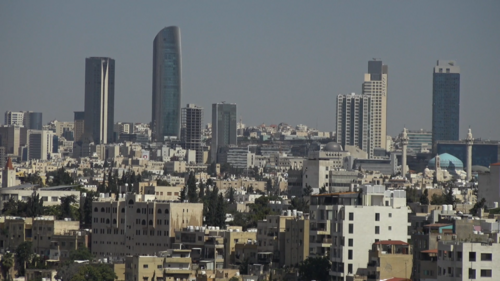
Amman, the capital city of Jordan, is one of the oldest continuously inhabited cities in the world, with a history that dates back thousands of years. Located in the north-central part of the country, Amman has evolved from a small town known as Rabbath Ammon during the Ammonite period into a bustling metropolis. Today, it is home to over four million residents, making it the largest city in Jordan and a vital economic and political center in the region. The city's landscape is characterized by its seven hills, each offering unique neighborhoods and cultural experiences.
Amman's culture is a vibrant blend of tradition and modernity, evident in its architecture, food, and social dynamics. The city features a mix of ancient ruins and contemporary buildings, with Roman theaters, such as the Odeon, standing alongside modern malls and cafes. The Citadel, a historical site from the Roman, Byzantine, and Islamic periods, provides picturesque views and insight into the city's past. The local cuisine reflects the diverse influences of the region, with dishes such as mansaf, a traditional Jordanian lamb dish served with rice, being particularly popular. The city's thriving arts scene includes galleries, theaters, and music festivals that celebrate both local and international talents.
Economically, Amman serves as Jordan's hub, with various sectors including finance, information technology, and tourism playing crucial roles. The city attracts expatriates and tourists with its rich history and surrounding natural attractions, such as the Dead Sea and Petra, one of the New Seven Wonders of the World. Amman's strategic location also establishes it as a nexus connecting different cultures and communities across the Middle East. With a youthful population and an increasingly dynamic landscape, Amman continues to grow and adapt while maintaining its historical and cultural significance.
Facts about Amman
- Amman is the capital and largest city of Jordan, serving as the political, economic, and cultural center of the country.
- The city is known for its unique blend of ancient and modern; it is home to the ruins of the Roman Theater, which dates back to the 2nd century AD.
- Amman is built on seven hills, which is a notable feature that differentiates it from other cities in Jordan that are typically flat.
- The Citadel of Amman is one of the oldest continuously inhabited places in the world, showcasing artifacts from various civilizations, including the Roman, Byzantine, and Islamic periods.
- Amman has a thriving art scene, exemplified by the Jordan National Gallery of Fine Arts, which houses a significant collection of contemporary Jordanian and Arab art.
- The city hosts the Royal Automobile Museum, which presents a unique collection of vehicles once owned by King Abdullah II, emphasizing the royal history of Jordan.
- Amman is notable for its diverse culinary scene, particularly its famous street food, such as falafel and shawarma, which attracts both locals and tourists.
- The annual Jerash Festival of Culture and Arts, held near Amman, highlights the city’s role as a cultural hub with performances from various artists, showcasing Jordan's heritage.
- Amman is also recognized for its diverse expatriate community, contributing to its cosmopolitan nature and distinguished lifestyle compared to other Jordanian towns.
- The city has made significant strides in technology and innovation, with several tech startups emerging, positioning Amman as a growing tech hub in the region.