Amozoc de Mota, Mexico
- 77,106 people
- 4 places to visit
- 19.0438, -98.0438
Places to Visit (4)
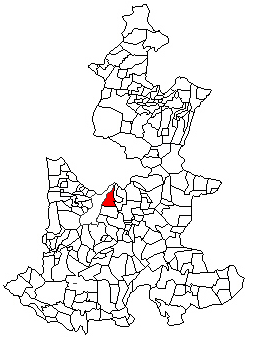
Amozoc de Mota is a city located in the state of Puebla, Mexico. It serves as the municipal seat of Amozoc, which is situated in a region characterized by its proximity to the urban area of Puebla, one of Mexico's major cities. The city has a population of approximately 30,000 inhabitants, according to the most recent census data. Amozoc de Mota is known for its rich history, which dates back to pre-Hispanic times when it was inhabited by various indigenous groups. The site has evolved through the centuries, experiencing significant transformations during the colonial period and into modern times.
The economy of Amozoc is diverse, with a blend of agriculture, trade, and services. The city is strategically positioned on key transportation routes, making it an important commercial hub for surrounding areas. Local markets and shops reflect the vibrant culture of the region, offering residents and visitors a taste of traditional Puebla cuisine, handmade crafts, and agricultural products. Additionally, Amozoc has seen growth in manufacturing, particularly in industries related to textiles and construction. Natural attractions in the surrounding region contribute to a growing interest in ecotourism, providing opportunities for outdoor activities and exploration of Puebla’s scenic landscapes.
Culturally, Amozoc de Mota boasts various festivals and events that celebrate local traditions and historical legacies. The Feast of San Francisco, dedicated to the city's patron saint, is celebrated with parades, music, and religious ceremonies, drawing visitors from neighboring towns. Architectural landmarks, including colonial-era churches and local plazas, highlight the city's historical significance. The blend of indigenous and colonial influences is evident in the local customs, language, and festivals. Overall, Amozoc de Mota presents a unique snapshot of Mexican history, culture, and community life.
Facts about Amozoc de Mota
- Amozoc de Mota is known for its rich indigenous heritage, particularly from the Nahua and Mixteco cultures, which is reflected in the local traditions and festivals.
- The city is famous for its unique architectural style that blends colonial and modern influences, particularly seen in its churches and public buildings.
- Amozoc de Mota is located near the state capital of Puebla, which allows it to benefit economically and culturally from its proximity while maintaining its own identity.
- The annual 'Fiesta de la Virgen de la Asunción' is a significant religious and cultural event in Amozoc, drawing participants and visitors from nearby regions.
- The city has a vibrant textile industry, particularly known for its traditional craft of weaving and making clothing, which helps preserve local artisanal techniques.
- Amozoc de Mota is a popular stop for cyclists and outdoor enthusiasts because of its picturesque landscapes and proximity to the Sierra Nevada mountains.
- The city has a thriving food scene, particularly known for its traditional dishes, including 'chalupas' and 'tamales,' that reflect the regional cuisine of Puebla.
- Amozoc de Mota is home to several important pre-Hispanic archaeological sites, providing insights into the ancient civilizations that once thrived in the area.
- The city hosts the 'Festival de la Cultura Amozoc', an event that showcases local arts, music, and gastronomy, promoting cultural exchange and community pride.
- Amozoc de Mota was historically a significant trading hub due to its location along ancient trade routes, contributing to its diverse cultural landscape.