Amposta, Spain
- 21,240 people
- 7 places to visit
- 40.7068, 0.5802
Places to Visit (7)
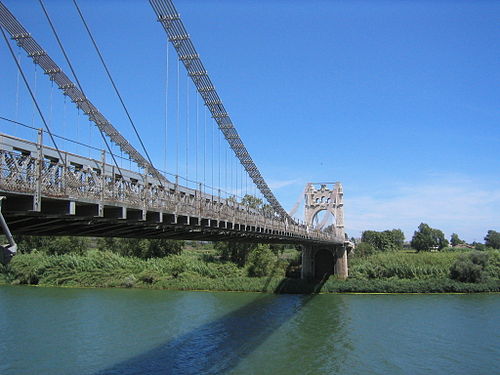
Amposta is a city located in the Catalonia region of northeastern Spain, serving as the administrative capital of the Montsià comarca. Nestled along the Ebro River, approximately 80 kilometers southwest of Barcelona and close to the delta of the Ebro, Amposta boasts a rich historical tapestry that dates back to ancient times. The city’s origins can be traced to the Roman era when it was known as Aemposta, a strategic settlement due to its proximity to the river. The remnants of this heritage can be observed in various archaeological sites in the region.
The city features a blend of architectural styles, with notable landmarks such as the Church of St. John the Baptist, a striking example of Gothic architecture, and the remains of the medieval castle that once overlooked the town. Amposta is also characterized by its vibrant cultural scene, which includes festivals and events that showcase the local traditions, including the renowned Festa de la Candelera. This celebration, held in early February, is marked by processions and is a cornerstone of the local community's identity. The surrounding natural landscape is equally significant, with the Ebro Delta National Park located nearby, known for its rich biodiversity and as a vital wetland for birdlife. This ecological treasure attracts both tourists and nature enthusiasts, thereby bolstering the local economy.
Amposta has progressively developed into a dynamic urban center while preserving its historical and cultural roots. Modern amenities coexist with traditional features, making it an appealing destination for visitors. The city's economy is primarily driven by agriculture, with rice farming being particularly prominent due to the fertile lands of the Ebro Delta. In recent years, Amposta has also sought to diversify its economic activities through tourism and small-scale industry. As a gateway to the Ebro Delta, it serves as a hub for exploring the natural parks and enjoying outdoor activities such as birdwatching, cycling, and gastronomy, particularly its rice dishes. As it balances tradition and modernity, Amposta continues to thrive, making it an interesting location within the broader context of Catalonia.
Facts about Amposta
- Amposta is known for its historical connection to the Ebro River, which has been a vital waterway since ancient times, influencing local agriculture and trade.
- The city features the impressive Ebro River Bridge, a remarkable engineering feat completed in 1970 that connects Amposta with neighboring towns.
- Amposta is home to the Parc Natural del Delta de l'Ebre, a UNESCO Biosphere Reserve, renowned for its rich biodiversity and unique wetland ecosystems.
- The town hosts the annual Festa Major in August, a vibrant celebration that includes traditional music, dance, and food, showcasing Catalan culture and community spirit.
- Amposta played a significant role during the Spanish Civil War and has several historical landmarks reflecting its wartime past, including the remnants of civil defense structures.
- The local economy is significantly driven by rice cultivation, and Amposta is famous for producing high-quality rice varieties, particularly known for its 'arroz bomba'.
- Amposta's historical center features stunning architecture, including the Church of Santa Maria, a 20th-century neoclassical building that attracts many visitors.
- The city also distinguishes itself with the annual International Rice Festival, celebrating the area’s rice culture with food tastings, workshops, and cultural events.
- Amposta has a rich artistic scene, with several local artists and artisans showcasing traditional crafts and contemporary works, enhancing the cultural landscape of the region.
- The city is strategically located near several national parks, making it an ideal base for ecotourism activities such as birdwatching, hiking, and exploring natural landscapes.