Amrāvati, India
- 603,837 people
- 8 places to visit
- 20.932, 77.7523
Places to Visit (8)
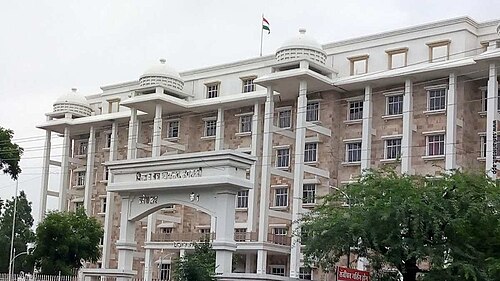
Amrāvati is a prominent city located in the Indian state of Maharashtra, serving as the administrative headquarters of the Amravati district. Known for its cultural and historical significance, the city has a rich legacy, dating back to ancient times. It is believed to have been a significant center of the Satavahana dynasty, which ruled between 230 BCE and 220 CE. The city derives its name from "Amra," which means mango in Sanskrit, highlighting the region’s agricultural prominence. Modern Amrāvati is characterized by a mix of traditional and contemporary influences, evident in its architecture, food, and daily life.
The city is well-connected through major highways and railways, making it accessible from various parts of India. Amrāvati is surrounded by lush landscapes and is situated on the banks of the Waghadi River, which contributes to its picturesque setting. It experiences a tropical climate, with hot summers, a monsoon season from June to September, and mild winters. The local economy thrives on agriculture, with crops like cotton, soybeans, and pulses being significant contributors. In addition to agriculture, the city has developed industries in textile production, food processing, and manufacturing, fostering economic growth and providing employment opportunities for its residents.
Culturally, Amrāvati is notable for its temples and historical sites, including the ancient Amba Devi Temple, which attracts pilgrims from across the region. The city also hosts festivals like Ganesh Chaturthi and Diwali, celebrated with great enthusiasm. Education holds a pivotal place as well, with a range of institutions that cater to higher learning. The presence of institutions like Sant Gadge Baba Amravati University enhances the city’s appeal as an educational hub. With its blend of tradition and modernity, Amrāvati continues to be a vital part of Maharashtra's cultural and economic landscape.
Facts about Amrāvati
- Amrāvati is known for its historical significance as a major Buddhist center, housing one of the oldest stupas in India, the Amravati Stupa, which dates back to the 2nd century BCE.
- The city serves as the de facto capital of the newly formed state of Andhra Pradesh, leading to significant administrative and infrastructural development.
- Amrāvati is renowned for its unique blend of ancient architecture and modern urban planning, particularly evident in the construction of the Andhra Pradesh Legislature complex.
- The Amravati Heritage Town project aims to preserve the city’s rich archaeological heritage while also developing it into a modern urban center.
- The region is famous for the Amaravati Mandir, a notable temple dedicated to Lord Shiva that attracts numerous pilgrims and tourists, adding to its spiritual significance.
- Amrāvati is also associated with the epic Mahabharata; it is believed to be the ancient city known as 'Dharmaranya' where the Pandavas once resided.
- The city is a hub for cultural festivals, including the famous Dussehra celebrations, which draw participants from all over the state and beyond.
- Amrāvati's agriculture is predominantly based on the fertile lands of the Krishna River, making it one of the key agricultural hubs in Andhra Pradesh.
- The city has been a focal point for various literary and cultural contributions, particularly during the time of the Satavahana dynasty.
- The unique archaeological artifacts found in Amrāvati, including sculptures and inscriptions, provide invaluable insights into ancient Indian culture and art.