Amritsar, India
- 1,092,450 people
- 14 places to visit
- 31.634, 74.8723
Places to Visit (14)
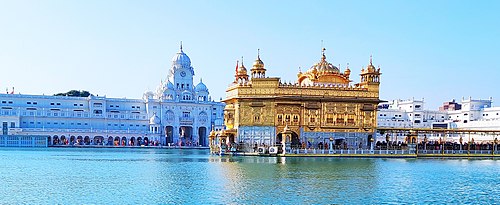
Amritsar, a city in the northwest Indian state of Punjab, is renowned for its rich history, cultural significance, and vibrant religious heritage. Founded in 1577 by the fourth Sikh Guru, Guru Ram Das, the city serves as a pivotal center for the Sikh religion, primarily due to the presence of the Golden Temple, or Harmandir Sahib. This iconic gurdwara, adorned with gold-plated domes and surrounded by a sacred pool, attracts millions of devotees and tourists annually. The Golden Temple not only symbolizes the spiritual and historical essence of Sikhism but also embodies the ideals of equality and community service through its langar, a free kitchen that serves meals to thousands of people daily, regardless of background or faith.
In addition to its spiritual prominence, Amritsar plays a significant role in India's colonial history. It was the site of the Jallianwala Bagh massacre in 1919, where British troops killed hundreds of unarmed Indian civilians. This tragic event marked a turning point in India's struggle for independence and is memorialized in the Jallianwala Bagh memorial park. The city's vibrant bazaars, like Hall Bazaar, reflect traditional Punjabi culture, offering local handicrafts, textiles, and culinary delights, including the famous Amritsari kulcha and lassi. Amritsar is also home to many historical monuments, including the Partition Museum, which chronicles the poignant tales of the 1947 Partition of India. With its blend of spiritual significance, rich history, and lively culture, Amritsar remains a vital and dynamic city, drawing visitors from around the world.
Facts about Amritsar
- Amritsar is home to the Golden Temple, also known as Harmandir Sahib, which is the holiest Gurdwara of Sikhism and attracts millions of pilgrims every year.
- The city was founded in 1577 by Guru Ram Das, the fourth Sikh Guru, and has a rich spiritual and cultural heritage.
- Amritsar is significant for the Jallianwala Bagh massacre that occurred in 1919, where British troops killed hundreds of unarmed Indian civilians, leading to widespread protests and a pivotal moment in India's struggle for independence.
- The city features the Wagah Border, famous for its daily flag-lowering ceremony conducted by both Indian and Pakistani soldiers, attracting spectators from both nations.
- Amritsar is known for its vibrant cuisine, including dishes like Amritsari Kulcha and Lassi, which are distinct and integral to Punjabi culture.
- The city has one of the largest community kitchens in the world, known as Langar, serving free meals to thousands of visitors daily at the Golden Temple.
- Amritsar has a unique blend of Punjabi culture, with traditional folk music and dance such as Bhangra and gidda being integral to its festivals and celebrations.
- The city played a key role during the Partition of India in 1947, experiencing significant migration and upheaval, which has shaped its historical narrative.
- Amritsar's bazaars, like Hall Bazaar and Katra Jaimal Singh, are renowned for their bustling atmosphere and variety of goods, including textiles, jewelry, and handicrafts.
- The Partition Museum in Amritsar is dedicated to the history and impact of the Partition of India, making it one of the first museums of its kind, focusing on this significant event.