Amroha, India
- 176,253 people
- 6 places to visit
- 28.9052, 78.4673
Places to Visit (6)
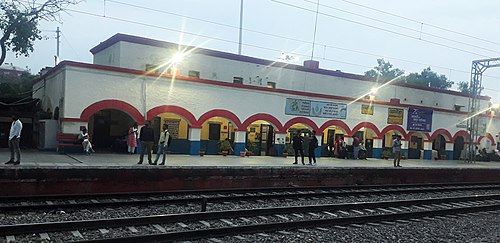
Amroha is a city situated in the Indian state of Uttar Pradesh, approximately 350 kilometers east of the national capital, New Delhi. It serves as the administrative headquarters of the Amroha district and is part of the western Uttar Pradesh region. The city is known for its rich historical and cultural heritage, which prominently reflects the traditional lifestyle and values of its inhabitants. According to the 2011 Census, Amroha had a population of over 150,000 people, with a diverse demographic that includes various communities. The city is well-connected by road and rail, facilitating access to other major cities in the region.
Historically, Amroha has been an important center for education and literature, producing notable scholars and poets, including Ghalib's contemporaries. The city is home to various historical landmarks and religious sites, such as the Jama Masjid, established in the 17th century, and the Kachahri Mosque, highlighting its architectural significance. In addition to its historical prominence, Amroha is also involved in agriculture and industry; the economy mainly relies on agriculture, with crops such as sugarcane, wheat, and various fruits being cultivated. The city has also developed small-scale industries that cater to local needs and markets. Amroha’s unique blend of history, culture, and economic activities contributes to its significance within the state of Uttar Pradesh and the broader Indian context.
Facts about Amroha
- Amroha is known for its rich history, particularly as a center of Islamic learning and scholarship, housing several ancient madrasas.
- The city is famous for its connection to the poet and philosopher 'Allama Iqbal,' who spent part of his childhood in Amroha.
- Amroha is renowned for its unique craftsmanship in wood carving, particularly the intricate designs found on furniture and decorative items.
- The annual 'Taj Mahal' festival, celebrated in Amroha, showcases the local culture, music, and art, differing from other festivals in the region.
- Amroha has a significant number of ancient mosques and tombs, including the historic 'Sadiq Raza Khan' tomb, which showcases Indo-Islamic architecture.
- The city’s vibrant literary heritage is highlighted by its association with Urdu literature and notable poets originating from the region.
- Amroha is home to the 'Banda Ghazi Khan Ka Maqbara,' a lesser-known but architecturally significant mausoleum that attracts history enthusiasts.
- The unique 'Amrohi Khichdi,' a traditional dish made from rice and lentils, is celebrated for its distinct taste and is exclusive to the region.
- Amroha has been identified as a producer of high-quality mangoes, particularly the 'Langra' and 'Dussehri' varieties, known throughout India.
- Historically, Amroha served as an important trade center due to its strategic location, linking various parts of northern India.