Amsterdam-Zuidoost, Netherlands
- 84,811 people
- 15 places to visit
- 52.308, 4.9715
Places to Visit (15)
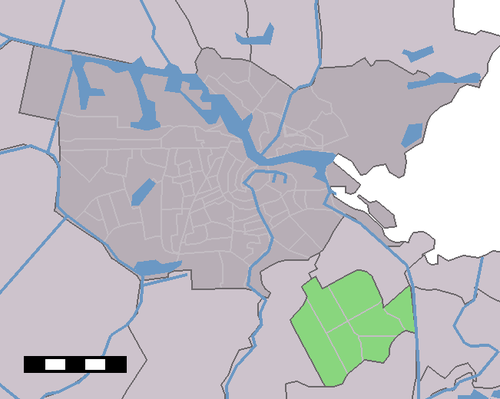
Amsterdam-Zuidoost is a vibrant and diverse district located in the southeastern part of Amsterdam, Netherlands. Established as a municipal district in 1987, Amsterdam-Zuidoost combines urban development with residential, recreational, and commercial areas. Unlike the historical core of Amsterdam, this area is characterized by its modern architecture, cultural diversity, and significant population of approximately 85,000 residents. The district is home to a rich tapestry of cultures, making it one of the most multicultural communities in the Netherlands. This cultural melting pot is reflected in its wide array of restaurants, shops, and community events that celebrate various heritages.
A notable feature of Amsterdam-Zuidoost is its extensive green spaces, including the Bijlmerpark and the Amsterdamse Poort shopping center, which provides not only retail options but also recreational opportunities for residents and visitors alike. The area's infrastructure is well-developed, with excellent public transport connections, including the metro and bus services, facilitating easy access to the city center and other parts of Amsterdam. The Bijlmermeer, a residential neighborhood within Amsterdam-Zuidoost, gained international attention in the mid-20th century for its innovative urban planning but also faced socio-economic challenges. Over the years, significant urban renewal projects have transformed the area, leading to improved living conditions and a resurgence in local pride, evidenced by initiatives aimed at community engagement and support for local entrepreneurs.
Culturally, Amsterdam-Zuidoost plays host to various festivals and events, such as the Kwaku Summer Festival, which celebrates Afro-Caribbean culture, and the annual Amsterdam-Zuidoost Cultural Festival. Furthermore, the district boasts notable institutions like the AFAS Live concert venue and the Johan Cruyff Arena, home to the famous AFC Ajax football club. These attractions contribute to a dynamic social scene, drawing residents and tourists alike. Amsterdam-Zuidoost embodies a blend of modernity and diversity, making it an essential part of Amsterdam's urban landscape and a reflection of the broader societal changes occurring within the city. As Amsterdam-Zuidoost continues to evolve, it fosters a sense of community and inclusivity, aimed at addressing past challenges while celebrating its rich cultural heritage.
Facts about Amsterdam-Zuidoost
- Amsterdam-Zuidoost is known as the 'Bijlmermeer', a neighborhood developed in the 1960s and 1970s characterized by its unique modernist architecture.
- The area historically served as a model for urban expansion and social housing, aiming to provide affordable living spaces for a multicultural population.
- Amsterdam-Zuidoost is home to the famous Ajax Amsterdam stadium, the Johan Cruyff Arena, which is a key venue for both football matches and concerts.
- The district features a diverse range of cultures, hosting various festivals throughout the year, including the annual 'Kwaku Summer Festival', celebrating Surinamese and Afro-Caribbean culture.
- It is the only district in Amsterdam that has its own metro system, contributing to its accessibility and link to the central parts of the city.
- Amsterdam-Zuidoost has a rich artistic presence, with numerous murals and street art, particularly in the Bijlmer area, which reflect its cultural dynamism.
- The district has a significant historical connection to the Surinamese community in the Netherlands, heavily influencing its local culture and cuisine.
- Zuidoost hosts the Amsterdamse Poort, a shopping center which is one of the largest in the region, featuring a blend of international shops and local businesses.
- The area is bounded by natural parks like the Bijlmerweide, enhancing green spaces within an urban environment and promoting outdoor activities.
- Amsterdam-Zuidoost features the unique 'Green Quarter' (Groene Boven), showcasing sustainable living and eco-friendly building practices.