Andong, South Korea
- 158,765 people
- 4 places to visit
- 36.5802, 128.78
Places to Visit (4)
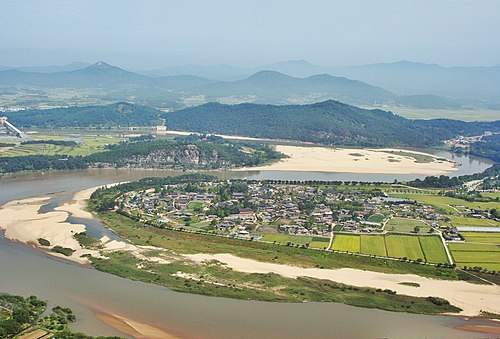
Andong is a city located in the southeastern part of South Korea, situated in North Gyeongsang Province. Positioned along the Nakdong River, Andong has a rich historical and cultural heritage that makes it a significant destination in the country. The city has a population of approximately 170,000 residents and is known for its preservation of traditional Korean culture. One of the most notable aspects of Andong is its role in the Confucian movement during the Joseon Dynasty. The city's past is reflected in its numerous cultural landmarks, most notably Hahoe Folk Village, a UNESCO World Heritage Site. This village, dating back to the 16th century, offers a glimpse into the traditional lifestyle of aristocratic families and showcases well-preserved hanok, or traditional Korean houses, along with various cultural performances.
Andong is also famous for its vibrant festivals, including the Andong Mask Dance Festival, which celebrates Korea’s mask dance tradition and attracts visitors from around the globe. The festival features various performances and competitions that highlight the region's unique cultural practices, including the mask dances that were historically performed during sacrificial rites and seasonal celebrations. The city has embraced its cultural significance by promoting and preserving its heritage through educational programs and partnerships with local artists. Additionally, Andong is well-regarded for its culinary offerings, particularly its well-known Andong jjimdak, a braised chicken dish that features flavorful soy sauce and vegetables, reflecting the local agricultural bounty.
With its blend of history, culture, and modernity, Andong stands as a testament to South Korea's rich traditions and community spirit. The city's commitment to preserving its unique cultural identity makes it a vital part of the nation’s historical narrative and offers residents and visitors alike a chance to engage with the past while enjoying contemporary Korean life. As a hub of cultural tourism, Andong provides myriad experiences that invite exploration, making it an essential destination for those seeking both historical insights and the charm of traditional Korean culture.
Facts about Andong
- Andong is renowned for its preservation of traditional Korean culture, particularly as the home of the Hahoe Folk Village, a UNESCO World Heritage site known for its well-preserved Joseon-era architecture.
- The city is famous for its Andong Soju, a traditional Korean distilled spirit that is recognized for its unique flavor and quality, making it one of the country's most famous alcoholic beverages.
- Andong hosts the annual Andong Mask Dance Festival, which celebrates the region's traditional mask dance and attracts thousands of visitors each year, showcasing cultural performances and arts.
- The city is historically significant for its association with Confucianism in Korea, serving as the birthplace of several prominent Confucian scholars and maintaining a strong educational focus.
- Andong is home to the Andong Traditional Culture Contents Museum, which provides insights into various aspects of Korean traditional culture, including folk games, art, and clothing.
- The city features the Andong Old Market, one of the oldest traditional markets in Korea, where visitors can find local delicacies, crafts, and cultural souvenirs.
- Andong's scenic landscape is enhanced by the Nakdong River, which provides opportunities for outdoor activities such as hiking, fishing, and picnicking along its banks.
- The city is also known for the Andong Dam, a significant hydroelectric project that contributes to South Korea's electricity supply and provides recreational areas for residents and tourists.
- Andong commemorates its cultural significance through the Andong Global Mask Dance Festival, which invites international performers, fostering cultural exchange and appreciation.
- The Andong National University has a strong reputation for its programs in Korean traditional music and art, playing a vital role in promoting Korea’s diverse cultural heritage.