Andújar, Spain
- 39,111 people
- 7 places to visit
- 38.0406, -4.0544
Places to Visit (7)
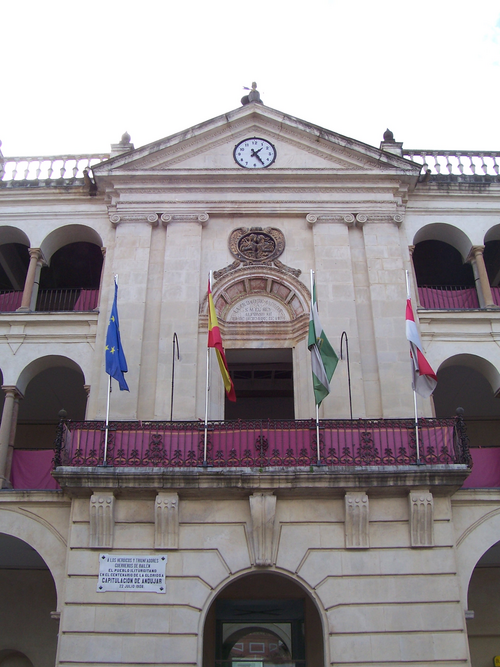
Andújar is a municipality located in the province of Jaén, within the autonomous community of Andalusia, southern Spain. Nestled on the banks of the Guadalquivir River, Andújar has a rich history that dates back to ancient times, with evidence of Roman, Visigoth, and Moorish settlements in the area. The city is characterized by its blend of historical architecture and natural beauty, being surrounded by olive groves that are a hallmark of the region, which is often referred to as the heart of olive oil production in Spain. Andújar’s strategic position along historical trade routes has shaped its development over centuries.
The city is renowned for its cultural heritage, including notable landmarks such as the Sanctuary of Nuestra Señora de la Cabeza, a significant pilgrimage site dedicated to the patron saint of Andújar. This sanctuary, located on the nearby Sierra de Andújar mountain range, attracts thousands of pilgrims each year, particularly during the annual pilgrimage in April. Additionally, Andújar is home to several historical sites, including remnants of its Roman past and Moorish architecture, which reflect the city’s diverse cultural evolution. The economy of Andújar is predominantly based on agriculture, particularly olive oil production, but it has also diversified to include small industries and services. The local gastronomy, featuring traditional Andalusian dishes, complements the area's rich cultural tapestry, making Andújar a vibrant destination for both residents and visitors alike.
Facts about Andújar
- Andújar is home to the iconic Sanctuary of the Virgin of the Head (Santuario de la Virgen de la Cabeza), which is one of the most important pilgrimage sites in Spain, attracting thousands of visitors each year.
- The city played a significant role during the Reconquista, particularly during the Battle of Andújar in 1212, which was a part of the larger campaign to reclaim Spain from Muslim rule.
- Andújar is located at the gateway to the Sierra de Andújar Natural Park, a protected area known for its diverse wildlife, including the endangered Iberian lynx.
- The city has a rich tradition in olive oil production, boasting more than 30,000 hectares of olive groves, which contribute significantly to the economy and cultural heritage of the region.
- Andújar celebrates the Festival of the Virgen de la Cabeza in April, which features a pilgrimage to the sanctuary and is recognized as one of the most vibrant religious festivals in Spain.
- The area around Andújar has been inhabited since prehistoric times, with significant archaeological sites, such as the evidence of Neolithic settlements in the nearby cave of 'Cueva de la Mora'.
- Andújar was granted the title of 'town' in 1489 by the Catholic Monarchs, representing its historical importance within the province of Jaén.
- The city is strategically located alongside the Guadalquivir River, which has historically facilitated trade and transport, setting it apart from many other inland towns.
- Notable landmarks in Andújar include the Church of San Miguel, famous for its Mudejar architecture and historical significance in the local community.
- Andújar has a vibrant local cuisine, particularly known for dishes such as 'ajiaco' (a traditional stew) and 'pico' (a type of tapas), reflecting the culinary traditions of Andalusia.