Anjō, Japan
- 188,693 people
- 16 places to visit
- 34.9586, 137.0804
Places to Visit (16)
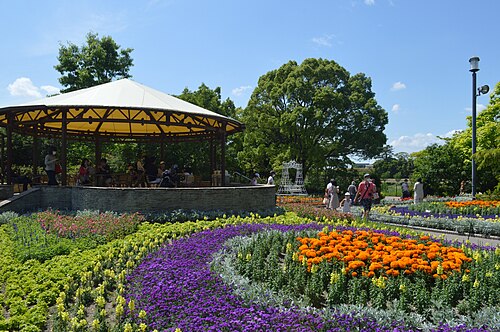
Anjō is a city located in Aichi Prefecture, Japan, situated in the Chūbu region on Honshu Island. Established as a city in 1954, Anjō is part of the Nagoya metropolitan area and covers approximately 36.27 square kilometers. It has a population of around 150,000 residents, making it a medium-sized urban center. Anjō is characterized by its blend of residential and commercial areas, with various parks and educational institutions that contribute to a high quality of life for its inhabitants.
The city is renowned for its historical significance and cultural heritage. Anjō is famous for production of "Anjō beef," a highly regarded brand of Wagyu known for its rich flavor and marbled texture. The region enjoys a mild climate, conducive to agriculture, which complements its beef production with rich rice fields and orchards. The city also hosts the historically important "Yuya Onsen," a hot spring that attracts visitors seeking relaxation and therapeutic benefits. In terms of attractions, the Anjō Castle site offers a glimpse into the area's feudal past, while modern recreational facilities and sports centers cater to the contemporary lifestyle of residents.
In transportation, Anjō is well-connected by rail, being served by the Meitetsu Nishio Line and the JR Central Tōkaidō Main Line, facilitating easy access to Nagoya and surrounding areas. The presence of several major routes, including the Tomei Expressway, enhances its connectivity for both personal and commercial travel. Additionally, the city promotes local festivals and events that highlight traditional Japanese culture, such as the Anjō Daido Matsuri, celebrating local heritage and community spirit. Anjō continues to grow as a vibrant urban center balancing tradition and modernity while providing a hospitable environment for its residents and visitors alike.
Facts about Anjō
- Anjō is renowned for its production of 'Anjō beef', a high-quality Wagyu beef that has its origins in the fertile region surrounding the city.
- The city is home to the famous 'Anjō Castle', a historic site that was constructed in the early 17th century and offers visitors a glimpse into Japan's feudal past.
- Anjō is also known for the 'Anjō-Sōkaizan' temple, which is recognized for its beautiful gardens and unique architectural style, differentiating it from other temple sites in Japan.
- The city has a vibrant connection to the Japanese textile industry, specifically in producing high-quality fabric known as 'Aizome', which utilizes indigo dye derived from local plants.
- Anjō hosts the annual 'Anjō Matsuri', a traditional festival that showcases local culture with parades, dance performances, and food stalls, distinct from other regional festivals in Japan.
- In 2013, Anjō was recognized as a 'Historic Town of Japan' for its preservation efforts in maintaining traditional architecture and local cultural practices.
- The city is famous for its 'Yoshida Fireworks Festival', which attracts tourists and locals alike, featuring stunning pyrotechnic displays and a festive atmosphere.
- Anjō is notable for its advanced robotic technology; it houses various companies that focus on developing cutting-edge robotic systems, setting it apart from other cities.
- The 'Kiso River' runs through Anjō, providing scenic views and recreational opportunities, which are a unique feature compared to many other urban areas in Japan.
- Anjō is part of the Mikawa region, which is known for its historical significance during the Sengoku period, particularly due to its connection to the famous warlord Tokugawa Ieyasu.