Ankang, China
- 870,126 people
- 3 places to visit
- 32.6849, 109.0293
Places to Visit (3)
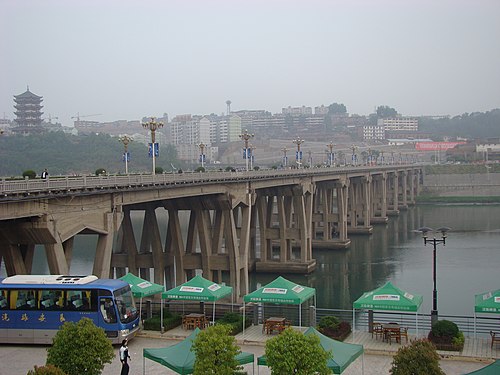
Ankang is a city located in the southeastern part of Shaanxi province, China. Nestled within the scenic landscapes of the Qin Mountains, it serves as a crucial transportation and economic hub within the region. The city covers an area of approximately 27,000 square kilometers and is home to a population of over 400,000 residents. Ankang is notably characterized by its rich cultural heritage, natural beauty, and as a center for the traditional Chinese medicinal herb sector, benefiting from the surrounding fertile land.
The history of Ankang dates back thousands of years, with archaeological findings indicating human settlement since the Neolithic period. Throughout history, it has been influenced by various dynasties, including the Qin, Han, and Tang, each leaving its mark on the area's cultural landscape. One significant historical site is the ancient Wanyao Tower, which symbolizes the blend of natural landscapes and human ingenuity. The city's economy predominantly revolves around agriculture, forestry, and tourism, capitalizing on its mountainous terrain and picturesque scenery which attract visitors seeking outdoor activities such as hiking and eco-tourism. Additionally, it's known for its production of traditional Chinese medicine, particularly the cultivation of herbs that thrive in its unique climatic conditions.
Ankang is also developing rapidly in terms of infrastructure and urbanization, with ongoing projects aimed at boosting its connectivity to other major cities in Shaanxi and beyond. Efforts to modernize transportation, including the expansion of road networks and the establishment of rail links, are integral to supporting the city’s growth. As a result, Ankang is gradually emerging as an important player in the regional economy while still maintaining its cultural roots and natural allure. With a balanced focus on development and conservation, Ankang represents a blend of traditional culture and modern advancements, making it a noteworthy location in China’s historical and geographical tapestry.
Facts about Ankang
- Ankang is known as the 'Pearl of the Qinling Mountains,' highlighting its stunning natural scenery and biodiversity.
- The city is famous for its ancient tea culture, notably the production of Ankang green tea, which is regarded as one of China's top teas.
- Ankang has a rich historical background, being home to the Xiqiang people who inhabited the region long before the Qin Dynasty.
- The city is located at the confluence of the Han River and its tributaries, making it an important area for transportation and irrigation throughout history.
- Ankang is distinguished by its unique mountainous landscape and is a hotspot for hiking and outdoor tourism, with attractions like the Mount Lingyun Scenic Area.
- The Ankang International Bamboo Festival is held annually, celebrating the region's abundant bamboo resources and promoting cultural exchanges.
- Ankang's historical significance is accentuated by landmarks such as the Ankang Ancient City Wall, which dates back to the Ming Dynasty.
- The city has a prominent agricultural economy, particularly known for its high-quality citrus fruits, which contribute significantly to its local exports.
- Ankang is home to several national-level ecological parks, including the Ankang Nature Reserve, which emphasizes conservation and biodiversity.
- The city plays a pivotal role in the development of Traditional Chinese Medicine, featuring several hospitals and academies dedicated to herbal medicine.