Anshun, China
- 765,313 people
- 3 places to visit
- 26.2537, 105.9462
Places to Visit (3)
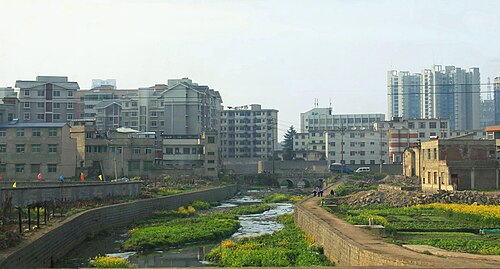
Anshun is a city located in the southwestern part of China, within Guizhou Province. It serves as the capital of Anshun Prefecture and is known for its stunning natural landscapes and rich cultural heritage. Nestled between mountains and rivers, Anshun is situated approximately 110 kilometers west of Guiyang, the provincial capital. The city's elevation is around 1,500 meters, resulting in a mild climate that is characterized by warm summers and cool winters. Due to its geographical location, Anshun serves as an important transportation hub, connecting various parts of Guizhou and beyond.
One of Anshun's most prominent attractions is the Huangguoshu Waterfall, one of the largest waterfalls in China and a key feature of the Huangguoshu Scenic Area. The waterfall reaches a height of 77.8 meters and is about 101 meters wide, making it a spectacular sight throughout the year. The city also boasts an array of cultural landmarks, including the historic town of Shuicheng, known for its well-preserved architecture and vibrant ethnic traditions, particularly from the Miao and Dong ethnic groups. Anshun's rich cultural tapestry is reflected in its local festivals, colorful costumes, and traditional handicrafts, contributing to the city's appeal as a destination for both domestic and international tourists.
In addition to its natural beauty and cultural heritage, Anshun is an emerging economic center in Guizhou Province. The local economy is diversified, with agriculture, manufacturing, and tourism playing vital roles. The region is also known for its production of high-quality agricultural products such as rice, fruits, and vegetables. The government has invested heavily in infrastructure and tourism development to boost economic growth, making Anshun a promising location for business and investment. As the city continues to evolve, it preserves its cultural identity and natural wonders, appealing to those who seek both adventure and a glimpse into the rich traditions of southwestern China.
Facts about Anshun
- Anshun is known for its unique natural landscapes, particularly the Huangguoshu Waterfall, which is one of the largest waterfalls in China and a famous tourist attraction.
- The city is historically significant for its role in the establishment of the Chengbei Ancient Town, offering a glimpse into traditional Chinese architecture and culture.
- Anshun is home to the Guizhou Provincial Museum, where visitors can learn about the rich history and diverse ethnic cultures of the Guizhou province.
- The city hosts the annual Anshun International Acrobatic Arts Festival, showcasing talented acrobats from around the world, further emphasizing its cultural significance.
- Anshun is situated on the Yunnan-Guizhou Plateau, making it a key location for research and exploration related to plateau ecosystems and biodiversity.
- The city has a long history of tea culture, particularly with the production of Huangshan Black Tea, setting it apart from other regions known for tea cultivation.
- Anshun is known for its unique Miao and Bouyei ethnic minorities, offering cultural festivals and traditions that attract tourists interested in ethnic diversity.
- The historic Dragon Palace Cave, located near Anshun, is one of the largest karst caves in China, featuring stunning rock formations and an underground river.
- Anshun enjoys a mild climate year-round, which is distinct from many other cities in China, known for extreme seasonal variations.
- The city has been recognized for its significant role in the development of sustainable tourism practices, particularly in nature conservation and ethnic cultural preservation.