Antakya, Turkey
- 210,000 people
- 11 places to visit
- 36.2043, 36.1619
Places to Visit (11)
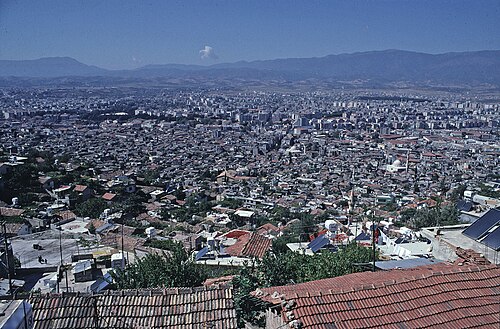
Antakya, historically known as Antioch, is a vibrant city located in the southern part of Turkey, near the Orontes River and close to the country's border with Syria. It serves as the administrative center of Hatay Province and is known for its rich cultural heritage and diverse history. Antakya’s historical significance dates back to its founding in the 3rd century BCE by the Seleucid Empire and has seen various civilizations, including Greek, Roman, Byzantine, and Ottoman influences. The city was a crucial center for early Christianity, where followers of Jesus were first called Christians, making it an important pilgrimage site for many. Antakya's historic center features a blend of various architectural styles, with notable sites including the ancient Mosaic Museum, which displays one of the most extensive collections of Roman mosaics, and the Church of St. Peter, a significant Christian pilgrimage site carved into the mountainside.
The city's diverse population contributes to its unique cultural tapestry, characterized by a rich blend of Turkish, Arab, Kurdish, and Christian communities. This multicultural backdrop is evident in the local cuisine, which features a variety of flavors and dishes, such as kebabs, mezes, and the famous Antakya künefe, a sweet dessert made of thin noodle pastry soaked in syrup and filled with cheese. In recent years, Antakya has become increasingly attractive to tourists drawn by its historical sites, archaeological treasures, and stunning natural landscapes. The city also serves as an important commercial and trade hub in the region, benefiting from its strategic location. However, Antakya has faced challenges, particularly due to its proximity to conflict zones, but it continues to endure and maintain its significance as a key cultural and historical center in Turkey.
Facts about Antakya
- Antakya, historically known as Antioch, was a major center of early Christianity and one of the first places where the term 'Christian' was used.
- The city is famous for its diverse cultural heritage, influenced by various civilizations, including the Hittites, Romans, Byzantines, Arabs, and Ottomans.
- Antakya is home to the ancient Church of St. Peter, which is considered one of the oldest churches in the world and a significant pilgrimage site.
- The city's archaeological museum houses one of the most extensive collections of Roman mosaics, including the renowned 'Mosaics of Antioch'.
- Antakya is known for its unique culinary traditions, particularly its use of spices and the famous dish 'Kebab', which has local variations such as 'Kuzu Tandir'.
- The city has a charming old town with narrow streets, historic houses, and vibrant markets that reflect its rich multicultural history.
- Antakya is located near the Orontes River, which has played a crucial role in the region's agriculture and trade throughout history.
- The city serves as a melting pot of different religions, with significant populations of Christians, Muslims, and Jews coexisting for centuries.
- Antakya's strategic location as a crossroads of various trade routes historically made it an important economic hub in the region.
- In addition to its historical significance, Antakya has also gained attention for cultural events, like the annual Antakya International Film Festival, promoting arts and cinema.