Antipolo, Philippines
- 549,543 people
- 14 places to visit
- 14.6255, 121.1245
Places to Visit (14)
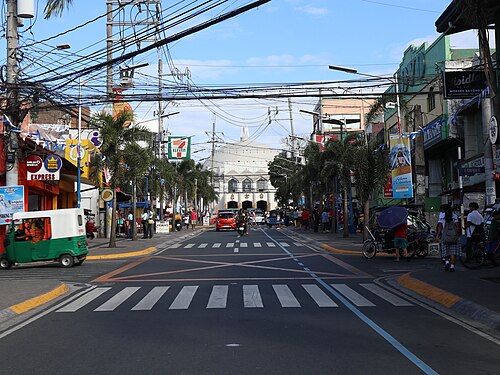
Antipolo is a city situated in the province of Rizal in the Philippines, approximately 25 kilometers east of Manila, the capital. Known for its scenic views, Antipolo serves as a popular weekend getaway for those seeking a respite from the bustling metropolis. The city is perched on the slopes of the Sierra Madre mountain range, providing stunning panoramas of the Metro Manila skyline. Antipolo's mild climate and lush landscapes contribute to its reputation as a residential area, attracting both local and expatriate communities. The city was founded in 1578, officially gaining city status in 1991 and has since developed into a thriving urban hub.
Culturally, Antipolo is recognized for its religious significance, particularly its association with the Marian devotion represented by the Our Lady of Peace and Good Voyage, housed in the Antipolo Cathedral. Each year, thousands of pilgrims visit the site, particularly during the annual "Alay Lakad," a religious walk that draws devout followers. Beyond its spiritual attractions, the city is also known for its local delicacies, including suman (a sticky rice delicacy) and cashew nuts. Antipolo boasts several recreational activities, including hiking trails, resorts, and a vibrant arts scene, and it is home to notable landmarks like the Pinto Art Museum, which showcases contemporary Filipino art. With its rich blend of culture, natural beauty, and historical significance, Antipolo continues to be a key destination in the Philippines.
Facts about Antipolo
- Antipolo is known as the 'Pilgrimage Capital of the Philippines' due to the presence of the historic Antipolo Cathedral, which houses the image of the Our Lady of Peace and Good Voyage.
- Every May, Antipolo hosts the 'Antipolo Pilgrimage', attracting thousands of devotees who hike to the city from Manila and nearby areas to pay homage to the Virgin Mary.
- The city is located on the highlands of Rizal, offering breathtaking views of Metro Manila and the surrounding landscapes, making it a popular destination for sightseeing and leisure.
- Antipolo is famous for its traditional delicacy known as 'suman' (sticky rice) and 'buko pie' (young coconut pie), which are popular among tourists and locals alike.
- The city is home to several notable landmarks including the Hinulugang Taktak National Park, a historical site and natural park featuring a waterfall in a serene forest setting.
- Antipolo was established as a municipality in 1901, and it became a city on February 13, 1991, showcasing its growth from a small settlement to a bustling urban area.
- The city is also famous for its art scene, hosting various galleries and cultural events, including the 'Antipolo Art Festival' that promotes local artists and craftsmen.
- Antipolo boasts numerous resorts and recreational areas that capitalize on its hilly terrain and natural beauty, making it a preferred weekend getaway for residents of Metro Manila.
- The city has a rich historical background, having been a significant site during the Philippine Revolution against Spain, with various historic landmarks reflecting its past.
- Antipolo is known for its vibrant night markets and street food culture, particularly found in the vicinity of its churches and main thoroughfares, offering a unique culinary experience.