Aosta, Italy
- 35,261 people
- 6 places to visit
- 45.7351, 7.3131
Places to Visit (6)
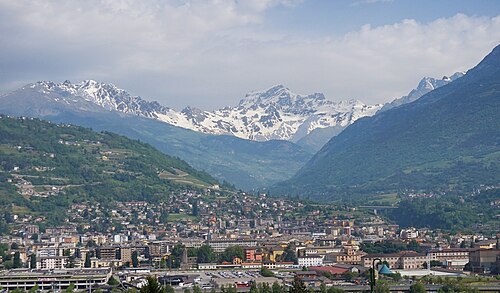
Aosta, the capital of the Aosta Valley region in northwestern Italy, is a city rich in history and culture, nestled in the Alps near the borders of France and Switzerland. Founded by the Romans in 25 BCE as Augusta Praetoria Salassorum, Aosta boasts an impressive array of well-preserved ancient Roman architecture, including the Arch of Augustus, the Roman Theater, and the city's imposing walls. With its strategic location in the heart of the Alps, Aosta has traditionally served as a vital passageway between northern Italy and the rest of Europe. The region's rugged terrain and picturesque landscapes make it a popular destination for outdoor enthusiasts, offering skiing, hiking, and mountaineering opportunities throughout the year.
The city's historical significance is complemented by its vibrant cultural scene. Aosta's cathedral, the Cattedrale di Santa Maria Assunta, showcases a blend of Romanesque and Gothic architecture, reflecting the city's medieval legacy. The town hosts various festivals, including the traditional Fête de la Saint Ours, celebrated in late January, which features local crafts, food, and music, celebrating the region's rich heritage. The surrounding area is also home to several charming alpine villages, each offering a unique glimpse into the culture and traditions of the Aosta Valley. Additionally, the region is known for its delectable cuisine, which includes specialties such as fontina cheese, local cured meats, and hearty dishes influenced by the mountainous terrain.
Aosta's economy is primarily driven by tourism, agriculture, and small-scale industries. The city's picturesque streets are lined with cafes, shops, and restaurants that reflect a mix of rustic charm and modern amenities, catering to both locals and visitors. The region's wines, particularly those produced in the DOC (Denominazione di Origine Controllata) areas, are also gaining recognition for their quality. With a population of around 33,000 residents, Aosta retains a close-knit community feel, enhanced by its stunning natural beauty and interconnectedness to both historical roots and contemporary life. As a gateway to the Alps, Aosta continues to thrive as a place where history and nature converge, making it a captivating destination for travelers seeking to explore Italy's mountainous interior.
Facts about Aosta
- Aosta is known as the 'Rome of the Alps' due to its rich Roman history and well-preserved ancient ruins.
- The city is situated at an altitude of 583 meters (1,912 feet) in the Aosta Valley, making it one of the highest capitals in Italy.
- Aosta is home to the Arch of Augustus, a monumental Roman structure built in 25 BC, marking the entry point into the city.
- The Roman Theatre of Aosta, constructed in 1 AD, is one of the best-preserved Roman theatres in the region and can host performances today.
- Aosta hosts the annual 'Fiera di Sant'Orso,' a traditional fair that celebrates local crafts and includes a historic market dating back to the 10th century.
- The city features the stunning Aosta Cathedral, which combines Romanesque and Gothic architectural styles, dating back to the 11th century.
- Aosta serves as the gateway to the Mont Blanc massif, attracting skiing and hiking enthusiasts from around the world.
- The region is distinct for its bilingual French and Italian heritage, which influences the culture, cuisine, and festivals celebrated in Aosta.
- Aosta is also famous for its wines, particularly the white wine 'Blanc de Morgex et de La Salle,' produced in the high-altitude vineyards.
- The city is surrounded by impressive Alpine scenery, including the Gran Paradiso National Park, making it a prime location for outdoor activities.