Apac, Uganda
- 67,700 people
- 3 places to visit
- 1.9851, 32.5344
Places to Visit (3)
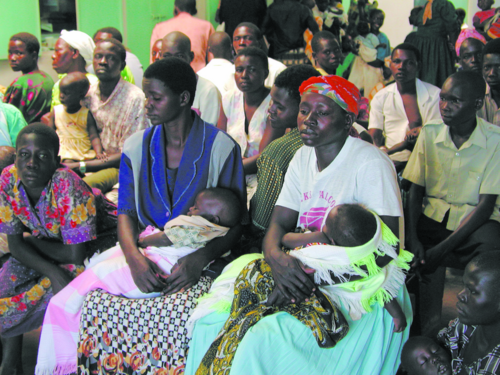
Apac is a municipality in Uganda located in the Northern Region, specifically in Apac District. The city serves as the district headquarters and is approximately 110 kilometers (68 miles) north of the capital city, Kampala. Apac has historical significance, having been a center of the Lango sub-region, which is home to the Langi people, an ethnic group with a rich cultural heritage. The city's strategic location along the main road connecting Gulu and Kampala has fostered trade and facilitated transport, contributing to its development and economic activities. Agriculture is the backbone of the local economy, with crops such as cassava, maize, millet, and sorghum being widely cultivated. The region is also known for livestock farming, including cattle, goats, and pigs.
In addition to its agricultural activities, Apac is renowned for its vibrant markets and local enterprises, which serve the surrounding rural communities. The city hosts several educational institutions, including primary and secondary schools, as well as vocational training centers, promoting education and skill development among the youth. As a growing urban center, Apac faces challenges, including infrastructure development, access to clean water, and healthcare services. However, community initiatives and government programs are being implemented to address these issues. Cultural events and festivals in Apac, highlighting traditional dances, music, and crafts, also play a pivotal role in preserving the Langi culture and attracting visitors. With ongoing development projects and investment opportunities, Apac aims to enhance its infrastructure and improve the quality of life for its residents.
Facts about Apac
- Apac is located in Northern Uganda and serves as the administrative center of Apac District.
- The town is known for its rich cultural heritage, particularly the Acoli and Langi ethnic groups, which are predominant in the region.
- Apac has a historical significance as a center of trade and commerce during Uganda's colonial period, primarily due to its proximity to major transportation routes.
- The annual Apac Cultural Festival highlights traditional music, dance, and arts, fostering community pride and cultural preservation.
- Apac is home to the Apac Health Centre IV, which is a key healthcare facility serving the population of the surrounding district.
- The town has a unique geographical feature with the nearby Lake Kwania, offering recreational activities and supporting local fishing livelihoods.
- Apac's economy is driven by agriculture, with cassava, maize, and millet being the major crops grown by local farmers.
- The town is involved in various community development programs aimed at improving local infrastructure and education, distinguishing it as an active participant in grassroots development.
- Apac is known for its vibrant market scene, which attracts traders and buyers from surrounding areas, setting it apart from smaller towns that may lack such commercial hubs.
- The Apac District has a rich history of resilience, having rebuilt significantly after the challenges posed by the Lord's Resistance Army conflict in the 1990s.