Apan, Mexico
- 26,642 people
- 11 places to visit
- 19.7114, -98.4541
Places to Visit (11)
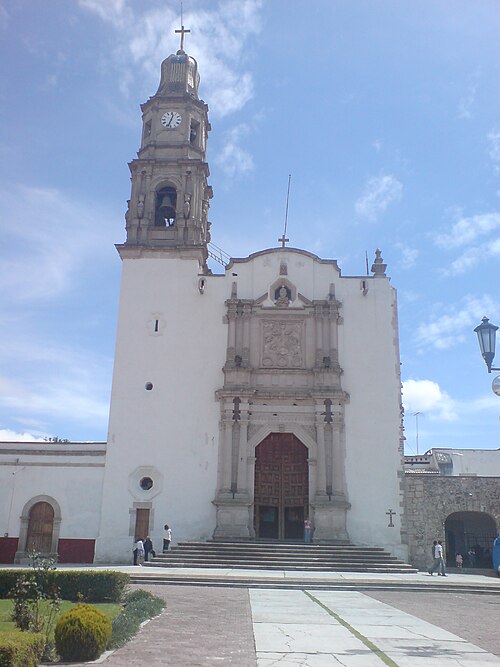
Apan is a small city located in the state of Hidalgo, Mexico, approximately 50 kilometers northeast of Mexico City. It serves as the municipal seat of the Apan municipality and is situated on the slopes of the Sierra de Pachuca, at an elevation of around 2,500 meters above sea level. The city has a rich historical background, with its origins dating back to pre-Columbian times. The area was originally inhabited by the Otomi people, and later it became part of the Aztec Empire. The town was officially founded during the Spanish colonial period, and its name "Apan" is derived from the Nahuatl word meaning "water source," reflecting the significance of water in the region.
Throughout its history, Apan has been known for its agriculture, primarily due to its fertile land and favorable climate. The main crops cultivated include corn, barley, and various fruits. In addition to agriculture, the economy of Apan has been supported by small-scale industry and commerce. The city exhibits colonial-style architecture, with notable structures such as the Church of San Juan Bautista, built in the 17th century, which showcases both Baroque and Churrigueresque styles. Apan's local culture is vibrant, characterized by traditional festivals, music, and dances that celebrate both indigenous and Spanish heritages. One of the most notable events is the celebration of the Day of the Dead, which holds immense cultural significance and attracts visitors from surrounding areas.
Despite its small size, Apan is well-connected to larger cities through road networks, making it a convenient location for residents and visitors alike. The town has a sense of community that is reflected in its various local events and markets, showcasing craftsmanship, food, and traditional practices. Tourism, though not as pronounced as in more prominent cities, is growing, particularly through cultural and historical exploration, as visitors are increasingly drawn to its heritage and scenic surroundings. As a city that embodies a blend of indigenous influences and colonial history, Apan offers a unique glimpse into the diverse cultural fabric of Mexico.
Facts about Apan
- Apan is known for its unique tradition of making 'cerámica de barro' (clay pottery), which is distinct to the region and showcases intricate designs that reflect local culture.
- The city is famous for hosting the annual 'Feria del Chorizo' (Sausage Fair), which celebrates the area's rich culinary heritage and attracts visitors from all over Mexico.
- Apan is renowned for its historic colonial architecture, particularly the 16th-century church 'Parroquia de San Juan Bautista', which is a beautiful example of Baroque-style architecture.
- The town is part of the historical route known as the 'Silk Road of New Spain', which was significant for trade and cultural exchange during the colonial period.
- Apan has a unique local dialect that incorporates words and phrases from indigenous languages, reflecting its rich cultural tapestry and history.
- The city is located near the Teotihuacan archaeological site, making it an excellent base for exploring one of Mexico's most famous ancient cities.
- Apan hosts various traditional celebrations, including 'Día de los Muertos' (Day of the Dead) with colorful altars and offerings uniquely flavored by local customs.
- The region is also known for its agricultural production, particularly the cultivation of maguey, which is used in the production of traditional Mexican beverages like pulque.
- Apan was once a vital station along the route connecting Mexico City to the Gulf of Mexico, making it significant in the development of trade and transport in the region.
- The city boasts a vibrant artisan community, particularly in textile production, including handwoven goods that are celebrated for their quality and traditional techniques.