Aparecida de Goiânia, Brazil
- 510,770 people
- 8 places to visit
- -16.8227, -49.2473
Places to Visit (8)
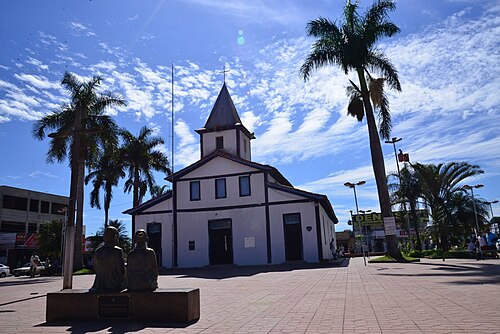
Aparecida de Goiânia is a city located in the state of Goiás, Brazil, situated approximately 20 kilometers from the state capital, Goiânia. Established on May 31, 1933, Aparecida de Goiânia originally marked a settlement that evolved into a significant urban area. The city has seen considerable growth over the years, driven by its strategic location and the economic opportunities that arise from proximity to Goiânia. As of the latest census, it has a population of around 600,000 residents, making it one of the largest municipalities in the state and a vital hub in the Central-West region of Brazil.
The city's economy is diverse, with key sectors including commerce, services, and industry. Aparecida de Goiânia has become a prominent center for trade and logistics due to its infrastructure improvements and accessibility to major highways, such as BR-060 and BR-153. The municipality is home to various businesses, including wholesalers and retailers, contributing to its vibrant economic landscape. Moreover, the city benefits from ongoing investments in health care, education, and public safety, enhancing the quality of life for its residents and attracting newcomers.
Culturally, Aparecida de Goiânia hosts several events and celebrations throughout the year, reflective of both local traditions and broader Brazilian culture. Notable festivals often feature music, dance, and gastronomy, showcasing the rich heritage of the region. The city's parks and recreational facilities provide spaces for leisure and community engagement, emphasizing the importance of green areas in urban settings. With its growing population, economic potential, and cultural vibrancy, Aparecida de Goiânia continues to develop as an influential city in Brazil.
Facts about Aparecida de Goiânia
- Aparecida de Goiânia is one of the fastest-growing cities in Brazil, known for its rapid urban development and population growth.
- The city is located in the state of Goiás and is often considered a part of the Goiânia metropolitan area.
- Aparecida de Goiânia is home to the largest number of shopping malls in the state of Goiás, making it a significant commercial hub.
- The city is distinct for its strong agricultural economy, with significant production of grains, especially soybeans and corn.
- Aparecida de Goiânia hosts the annual Exposição Agropecuária, which is one of the largest agricultural fairs in the region, showcasing livestock, crops, and agribusiness innovations.
- The city is known for its vibrant cultural scene, with numerous festivals and events that celebrate local traditions and music.
- Aparecida de Goiânia features a unique blend of urban and natural attractions, including parks and green areas such as Parque da Criança and Parque Veiga Jardim.
- The city has a significant historical background, originally established as a small settlement in the 1940s and gaining city status in the 1950s.
- Aparecida de Goiânia is recognized for its strong focus on urban planning and infrastructure development, with modern road systems and public transportation options.
- The city is home to several universities and educational institutions, contributing to a relatively high level of education among its residents.