Apatzingán, Mexico
- 99,010 people
- 10 places to visit
- 19.0837, -102.3537
Places to Visit (10)
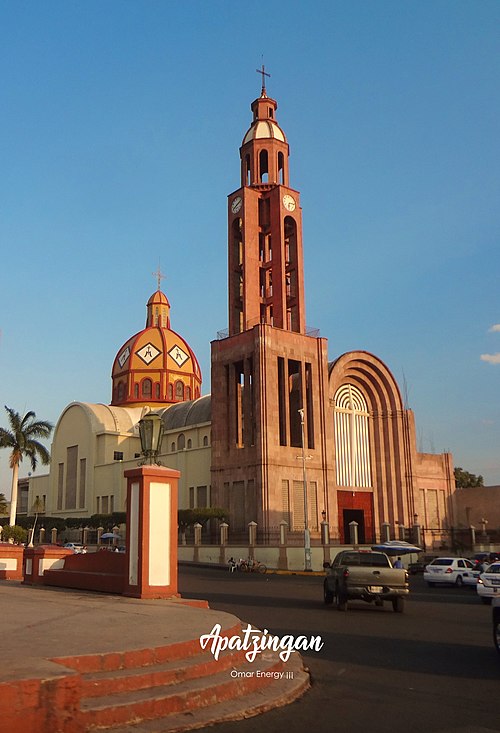
Apatzingán, a city located in the western part of Mexico, serves as the municipal seat of the Apatzingán de la Constitución municipality within the state of Michoacán. It sits approximately 145 kilometers southwest of the state capital, Morelia, and is strategically positioned along the Apatzingán River, which contributes to its agriculture-based economy. With a population of around 100,000 residents, the city plays a significant role in the region's cultural and economic landscape. The area is predominantly agricultural, characterized by the cultivation of crops such as avocados, citrus fruits, and sugarcane, which are vital to both local and national markets.
Historically, Apatzingán has held importance due to its role as a center of commerce and trade, providing a hub for various goods and services. The city is known for its rich cultural heritage and historical landmarks, including the significant declaration of independence issued in 1814 by José María Morelos, a prominent leader in the Mexican War of Independence. This event led to the establishment of the first constitutional congress of Mexico, a hallmark in the nation's quest for sovereignty. Apatzingán's local festivities, including the Fiesta de San Francisco and the Fiesta de la Primavera, showcase the vibrant traditions and communal spirit of its residents. Despite challenges such as crime and violence often associated with drug trafficking, the city continues to maintain its sense of community, adapting to the social dynamics of contemporary Mexico while preserving its historical roots.
Facts about Apatzingán
- Apatzingán is known as the 'Cradle of Independence' because it played a significant role during the Mexican War of Independence, with notable figures like José María Teclo morelos y Pavón being from the area.
- The city celebrates the Fiesta de la Virgen de la Soledad each year in October, which attracts thousands of visitors and showcases traditional Michoacán culture.
- Apatzingán features the historic Plaza de la Constitución, which is surrounded by colonial architecture and has been a central point for social and political gatherings since its establishment.
- The area is renowned for its production of avocados and is one of the main contributors to Mexico's status as the world's largest avocado producer.
- Apatzingán is notable for its unique historical site, the Casa de Morelos, the birthplace of the revolutionary leader and one of the main figures in the struggle for independence.
- The local cuisine is distinguished by traditional Michoacán dishes such as carnitas and uchepos, which reflect the region's culinary heritage.
- The city has a unique annual event called the 'Noche de Muertos' festival, which features traditional altars and festivities honoring deceased loved ones, combining indigenous and Catholic practices.
- Apatzingán is home to a vibrant artisan community known for its hand-crafted wooden items, pottery, and textiles that reflect the cultural traditions of the region.
- The city’s geographical location makes it a gateway to the Lago de Cuitzeo, providing opportunities for eco-tourism and recreation in nearby natural reserves.
- Apatzingán has been recognized for its efforts in promoting environmental sustainability and reforestation in the region, distinguishing it from many other urban areas in Mexico.