Apolda, Germany
- 24,793 people
- 4 places to visit
- 51.0256, 11.5111
Places to Visit (4)
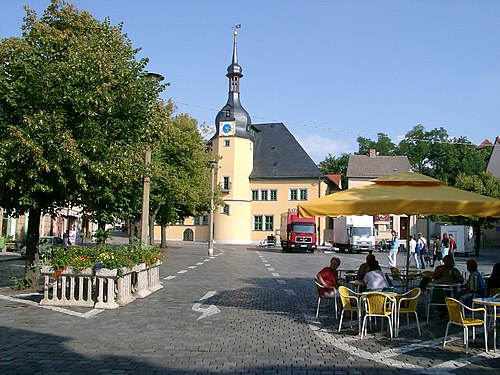
Apolda is a charming town located in the state of Thuringia, Germany, situated approximately 20 kilometers southwest of Erfurt, the state capital. Known for its rich history and cultural heritage, Apolda has a population of around 18,000 residents. The town's origins date back to the early medieval period, and it was first documented in historical records in 1309. Throughout its history, Apolda has been influenced by various cultural and economic developments, particularly during the 19th century when it became a notable center for the hat-making industry. The local economy flourished, leading to significant population growth and the establishment of numerous businesses related to textiles and manufacturing.
The architectural landscape of Apolda reflects its historical significance, featuring an array of buildings from different periods. Noteworthy structures include the Evangelische Stadtkirche St. Benno, a Protestant church known for its neo-Gothic style completed in 1885, and the ornate Town Hall which dates back to the 18th century. Apolda also boasts several museums and cultural institutions, including the Apolda Textile Museum, which showcases the town's industrial past and its pivotal role in the hat-making trade. The town hosts various events throughout the year, promoting local culture and traditions, with the Apolda Festival being a particularly popular highlight in the community calendar.
Outdoor enthusiasts can enjoy the scenic surroundings of Apolda, as the town is conveniently located near the beautiful Thuringian Forest, offering numerous hiking and biking trails. The nearby Saale River provides opportunities for leisure activities such as fishing and boating. With its historic charm, cultural significance, and natural beauty, Apolda offers residents and visitors alike a unique glimpse into the heart of Thuringia, making it a noteworthy destination in Germany's diverse landscape.
Facts about Apolda
- Apolda is renowned as the 'Hatter's City' due to its long history of hat manufacturing dating back to the 18th century, making it a significant center of this industry in Germany.
- The city is home to the Apolda Museum, which showcases local history and culture, with a particular focus on the city's unique hat-making heritage.
- Apolda boasts the Apolda City Hall, a striking example of Neo-Renaissance architecture, which serves as one of the town's prominent landmarks.
- Every summer, Apolda hosts the 'Hat Festival', celebrating its hat-making tradition with parades, exhibitions, and workshops, drawing visitors from across the region.
- The St. Nicholas Church in Apolda is known for its impressive Baroque interior and is a significant architectural landmark dating back to the 18th century.
- Apolda has a vibrant artistic community and is home to the Apolda Art Foundation, which promotes contemporary art and regional artists through exhibitions and cultural events.
- The city's proximity to the Thuringian Forest offers numerous outdoor recreational opportunities, setting it apart from many other urban areas in Germany.
- Apolda is part of the Central Thuringia region and is an important hub for textile production beyond just hats, contributing to Germany's legacy in textile industry.
- The Apolda railway station serves as an important transport connection, making it a key stop within the Thuringian railway network, thus enhancing its accessibility.
- Apolda's unique local dialect and traditional folk costumes during various festivals provide a glimpse into the cultural identity of this area, distinguishing it from other German towns.