Apopa, El Salvador
- 112,158 people
- 5 places to visit
- 13.8028, -89.1798
Places to Visit (5)
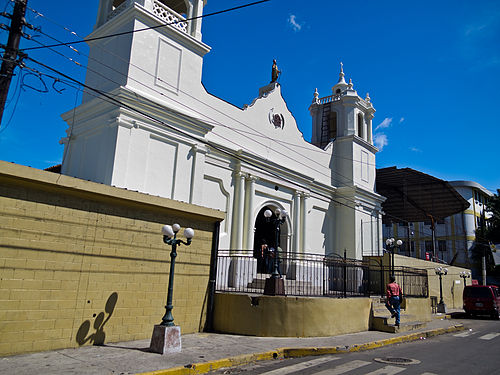
Apopa is a municipality located in the San Salvador Department of El Salvador, just northeast of the capital city, San Salvador. With a population of approximately 100,000 people, Apopa is one of the larger municipalities in the country. Its geographical location provides a strategic advantage, as it sits along the Pan-American Highway, facilitating trade and transportation. The municipality covers an area of about 28 square kilometers and is characterized by a mix of urban and suburban environments, with growing residential communities and commercial developments. The climate in the region is tropical, with a wet season from May to October and a dry season from November to April.
Historically, Apopa has developed from a primarily agricultural area to a more urbanized municipality, with increased migration from rural areas and the influence of urban sprawl from San Salvador. The town is known for its vibrant community life, with numerous local markets, small businesses, and cultural events that reflect Salvadoran traditions. Infrastructure improvements over the years have bolstered local economic activity, though challenges such as public safety, crime, and the availability of services remain pertinent issues. Notable sites within Apopa include parks, community centers, and schools, which play a vital role in the social fabric of the area. Overall, Apopa represents a blend of growth, cultural richness, and the typical challenges faced by municipalities in developing nations.
Facts about Apopa
- Apopa is located just northeast of San Salvador, making it a key suburb that contributes to the metropolitan area.
- The city is known for its urbanization, with significant development projects that support its growing population.
- Apopa has a vibrant local culture, with annual festivities such as the celebration of the city's patron saint, which distinguishes it from other towns.
- The town is home to the historic church of San Juan Bautista, which reflects colonial architectural styles and serves as a community center for residents.
- Apopa is recognized for its accessibility, with major transportation routes connecting it to San Salvador and other regions of El Salvador.
- The economy of Apopa is diverse, with a mix of agriculture, commerce, and service industries that sets it apart from more rural areas.
- Local markets in Apopa offer a variety of traditional Salvadoran goods, showcasing the city's cultural richness and culinary diversity.
- Apopa hosts several sports teams and facilities, making it a hub for local athletic events and promoting community engagement.
- The city has been historically significant as a residential area for many displaced during the civil war, leading to a diverse demographic.
- Apopa's proximity to natural attractions, such as the nearby Cerro de San Salvador, provides residents and visitors with recreational opportunities unlike those found in more urbanized cities.