Aracaju, Brazil
- 664,908 people
- 13 places to visit
- -10.9265, -37.0731
Places to Visit (13)
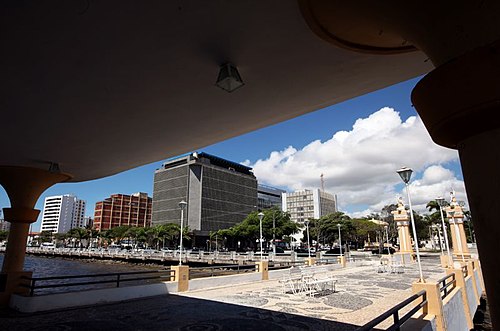
Aracaju is the vibrant capital of the northeastern Brazilian state of Sergipe, situated along the coast of the Atlantic Ocean. Founded in 1855, it was designed with urban planning in mind, characterized by its wide avenues, green spaces, and a coastal promenade that appeals to both locals and tourists. The city boasts a population of approximately 600,000 people, making it one of Brazil's smaller state capitals, yet its charm lies in its manageable size and welcoming atmosphere. Aracaju is known for its beautiful beaches, including Atalaia and Aruana, which are popular destinations for sunbathers and water sports enthusiasts. The city's coastline is enhanced by a scenic boardwalk that features a variety of restaurants, bars, and entertainment options.
Aracaju’s cultural scene is rich and diverse, with a blend of indigenous, African, and Portuguese influences. The city hosts several festivals throughout the year, such as the Festa Junina in June, which celebrates rural culture with music, dance, and traditional foods. The local cuisine is another highlight, known for its seafood dishes and regional specialties like acarajé and moqueca. Moreover, Aracaju is home to various museums and cultural institutions, including the Museu da Gente Sergipana, which showcases the history and culture of Sergipe, and the city’s historic center, where colonial architecture can be appreciated. The nearby São Francisco River adds to the city's natural beauty and offers opportunities for recreational activities such as boat tours. Overall, Aracaju combines urban convenience with a relaxed coastal lifestyle, making it an intriguing destination for both residents and visitors alike.
Facts about Aracaju
- Aracaju is the capital of the state of Sergipe, known for being one of the smallest state capitals in Brazil, both in terms of population and area.
- The city was planned and founded in the mid-19th century, specifically in 1855, to replace São Cristóvão as the state capital, making it one of the few planned cities in Brazil.
- Aracaju features an extensive beachfront known as Atalaia Beach, renowned for its wide promenade, vibrant nightlife, and recreational areas, distinguishing it from other beach destinations in Brazil.
- The city houses the largest handmade lace market in Brazil, particularly known for its 'Renda' lace which reflects the local culture and artisanal craft.
- Aracaju is home to the 'Caju Festival,' celebrating the cashew fruit, its multiple uses, and its cultural significance in the region, highlighting local gastronomy.
- The city has a unique architectural style, especially seen in the Igreja de São Salvador and the Aracaju Cathedral, showcasing elements of colonial and neoclassical design.
- Aracaju has a modern zoo, the Parque Anastácio, which is one of the largest in Brazil, emphasizing biodiversity and conservation efforts in the region.
- The city is strategically located between the capital cities of Salvador and Maceió, making it a convenient point for tourism in northeastern Brazil.
- Aracaju offers a unique gastronomic experience with its famous local dishes, such as the 'Carne de Sol' and 'Moqueca,' rich in seafood and regional flavors.
- The city hosts the 'Forró Caju' festival, one of the largest forró festivals in Brazil, held annually and attracting both national and international visitors.