Aranda de Duero, Spain
- 32,928 people
- 12 places to visit
- 41.6692, -3.6902
Places to Visit (12)
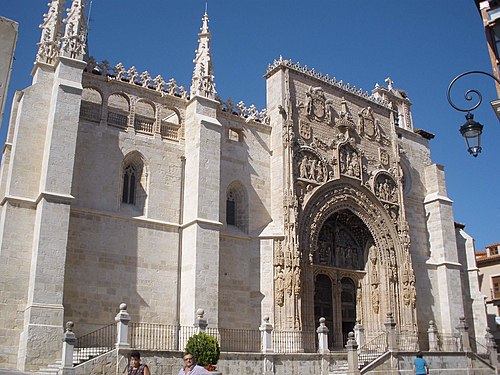
Aranda de Duero is a picturesque town located in the province of Burgos, in the autonomous community of Castilla y León, Spain. With a population of approximately 32,000, it serves as a significant commercial and cultural center in the region. Aranda is best known for its rich history, which dates back to Roman times when it was known as "Aranda." The town's location along the Duero River has played a vital role in its development, facilitating trade and agriculture. One of Aranda's distinguishing features is its well-preserved medieval architecture, including the Church of Santa Maria la Real and the Church of San Juan Bautista, which showcase Gothic and Romanesque elements.
A key aspect of Aranda's identity is its prominence in wine production, particularly for its renowned Ribera del Duero wines. The surrounding vineyards benefit from the region's unique climate and soil conditions, which are ideal for cultivating grape varieties such as Tempranillo. Wine tourism has become increasingly popular in Aranda, with numerous bodegas offering tours and tastings that highlight the town's viticultural heritage. Additionally, Aranda de Duero hosts the annual Festival of Wine, attracting visitors to celebrate local winemaking traditions. Gastronomically, the town is celebrated for its culinary offerings, particularly its roasted lamb (cordero asado) and a variety of traditional tapas.
Culturally, Aranda de Duero is home to several events and festivals that reflect its rich local traditions. Noteworthy is the Festival of San Juan, celebrated in June, which includes lively street parties, parades, and traditional music. The town also boasts a vibrant arts scene, with galleries and theaters that showcase local talent. Its strategic location provides easy access to both rural landscapes and urban centers, making it an attractive destination for those exploring the heart of Spain. As a blend of historical significance, cultural vibrancy, and agricultural heritage, Aranda de Duero offers a unique glimpse into the innate charm of the Spanish countryside.
Facts about Aranda de Duero
- Aranda de Duero is renowned for its exceptional Ribera del Duero wine, making it a pivotal hub in one of Spain's most important wine regions.
- The city is home to a rich historical background featuring significant medieval architecture, including the Church of Santa María la Real built in the Gothic style.
- Aranda de Duero hosts the annual 'Fiesta de la Vendimia' (Grape Harvest Festival), which celebrates the wine production and attracts visitors from across the country.
- The city is famed for its traditional 'lechazo' (suckling lamb), a delicacy that highlights the gastronomic offerings unique to the region.
- Aranda de Duero has one of the largest networks of underground cellars in Spain, known as 'bodegas', which historically were used for wine storage.
- The town played a role in the Spanish Civil War and has historical sites that reflect its past, including places used as shelter and storage for food and goods.
- Aranda de Duero is connected to the Roman Empire through its history, evidenced by archaeological findings and remnants of Roman roads and settlements.
- The city features the unique 'Hórreos de Aranda', traditional wooden granaries that are a rarity in the region, showcasing local architectural style.
- Aranda de Duero is strategically located along the Duero River, providing scenic landscapes and opportunities for various outdoor activities.
- The city actively promotes its cultural heritage through museums like the 'Museo de los Aromas', which explores the world of fragrances and its connection to agriculture and wine.