Arapiraca, Brazil
- 166,562 people
- 8 places to visit
- -9.7556, -36.664
Places to Visit (8)
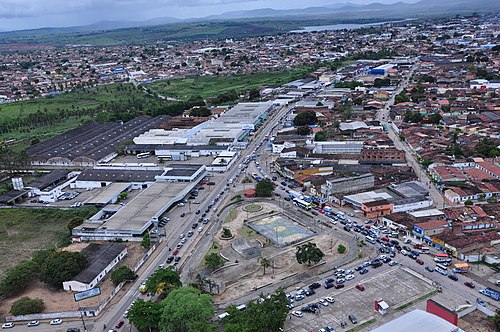
Arapiraca is a notable city located in the state of Alagoas, Brazil. Situated approximately 130 kilometers (81 miles) west of the state capital, Maceió, Arapiraca stands as the second-largest city in Alagoas, with a population of around 150,000 residents. The city is positioned in an area characterized by a hilly landscape that supports a semi-arid climate, which has contributed to its development primarily as an agricultural hub. Historically, Arapiraca gained prominence in the late 19th century with the advent of the tobacco industry, which remains one of its economic mainstays today. The region is famous for producing high-quality tobacco, making it a critical center for both the cultivation and trade of this crop.
Beyond agriculture, Arapiraca has diversified its economy to include commerce and services, bolstered by a vibrant urban population and ongoing infrastructural improvements. The city's growth has attracted various businesses, providing employment opportunities and fostering local entrepreneurship. Arapiraca is also known for its cultural heritage, which reflects a blend of indigenous, African, and European influences. The local community celebrates several festivals and events throughout the year, with traditional music, dance, and cuisine playing significant roles in its cultural identity. As a center for education and health services in the region, Arapiraca is home to a range of educational institutions and healthcare facilities, contributing to the overall development and quality of life for its inhabitants.
Tourism in Arapiraca is gradually increasing, with visitors drawn to its warm climate, natural beauty, and cultural richness. The city is surrounded by various natural attractions, including waterfalls and parks, providing opportunities for outdoor activities such as hiking and ecotourism. Additionally, the city's historical sites, including colonial-era architecture and local markets, offer a glimpse into its past and serve as venues for cultural exchange. Overall, Arapiraca is a dynamic city that reflects the agricultural heritage and growing urbanization of northeast Brazil, while also embracing opportunities for growth and cultural expression.
Facts about Arapiraca
- Arapiraca is known as the 'Capital of the Agreste' in the state of Alagoas, reflecting its central role in the regional agricultural economy.
- The city was founded in 1924 and has rapidly grown from a small village into one of the largest municipalities in Alagoas.
- Arapiraca is renowned for its tobacco production and has historically been one of Brazil's main tobacco-growing regions, contributing significantly to the country's export economy.
- The city hosts the 'Festa da Luz' (Festival of Light), a significant religious and cultural event that attracts thousands of visitors each year.
- Arapiraca is home to the Museu de Arte Primitiva do Brasil (Museum of Primitive Art of Brazil), which showcases a unique collection of folk and primitive art.
- The city has a diverse cultural scene and is known for its local music genres, including forró and coco, which reflect the rich traditions of northeastern Brazil.
- Arapiraca has been a notable producer of fruits and vegetables, particularly in the agricultural sector, complementing its tobacco industry.
- The municipality features the impressive 'Estádio Coaracy da Mata Fonseca', a major stadium that plays a central role in the local football culture.
- Arapiraca has a distinct geographical feature known as the 'Serra do Ouro', a mountain range that offers stunning views and attracts nature enthusiasts.
- The city is also known for its vibrant artisan crafts, particularly in ceramics and textile production, which are integral to local culture and economy.