Arcos de Valdevez, Portugal
- 22,847 people
- 5 places to visit
- 41.8458, -8.4192
Places to Visit (5)
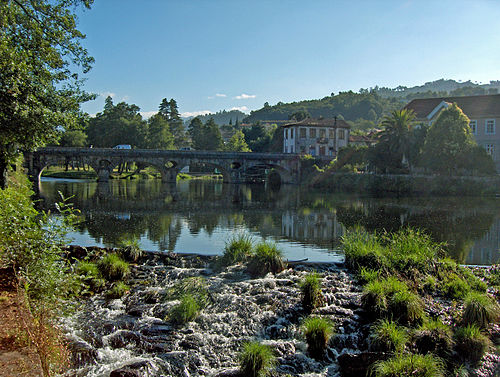
Arcos de Valdevez is a picturesque municipality located in the northern region of Portugal, within the district of Viana do Castelo. Situated near the mouth of the Vez River, the town is surrounded by the verdant hills of the Peneda-Gerês National Park, providing breathtaking landscapes and a rich natural environment. The municipality covers an area of approximately 511 square kilometers and has a population of around 20,000 residents. It is known for its charming architecture, historical significance, and vibrant cultural traditions.
The history of Arcos de Valdevez dates back to the medieval period, with evidence of human settlement in the region for centuries. The town is especially famous for the Battle of Arcos de Valdevez in 1140, which was instrumental in the establishment of Portuguese sovereignty. The town boasts several notable monuments, including the 16th-century Church of São Paulo and the impressive arch bridge, known as the Ponte da Barca, which attracts visitors with its striking design. The annual Feira de São João, held in June, showcases local traditions, crafts, and gastronomy, offering a glimpse into the region's cultural heritage.
Outdoor enthusiasts frequently flock to Arcos de Valdevez for its hiking trails, rivers, and opportunities for activities such as kayaking and fishing. The proximity to the Peneda-Gerês National Park allows for exploration of rich biodiversity, including numerous plant and animal species unique to the region. The municipality’s blend of historical significance, natural beauty, and vibrant culture makes Arcos de Valdevez an attractive destination for both local and international travelers who seek to experience the essence of Portugal's northern landscape.
Facts about Arcos de Valdevez
- Arcos de Valdevez is known for its stunning natural beauty, located at the heart of the Peneda-Gerês National Park, which is the only national park in Portugal.
- The town is famous for the historic Ponte da Barca, a medieval bridge that showcases intricate architecture and offers picturesque views of the Lima River.
- Arcos de Valdevez is celebrated for its traditional 'Romaria de Nossa Senhora da Lapa,' one of the most important religious festivals in the region, held annually in September.
- The town has a significant historical connection to the Portuguese monarchy, being the site of the Battle of Arcos in 1809 during the Peninsular War.
- Arcos de Valdevez features the beautiful Solar dos Damiães, a 17th-century manor house notable for its stunning baroque architecture and historic significance.
- Every October, the town organizes the 'Festival da Castanha' (Chestnut Festival), highlighting the local gastronomy and the importance of chestnuts in the region.
- The town is home to Casa do Povo, which promotes local culture and traditions, frequently hosting events that celebrate the rich heritage of Arcos de Valdevez.
- Arcos de Valdevez is located at the confluence of the Vez River and the Lima River, offering a unique geographical setting that contributes to its scenic charm.
- The town has a strong historical craftsmanship tradition, particularly in weaving and embroidery, which distinguishes it from other regions in Portugal.
- Arcos de Valdevez's surroundings are known for their granite villages, providing a glimpse into the traditional rural lifestyle that varies significantly from urban centers in the country.