Arecibo, Puerto Rico
- 87,754 people
- 3 places to visit
- 18.388, -66.6653
Places to Visit (3)
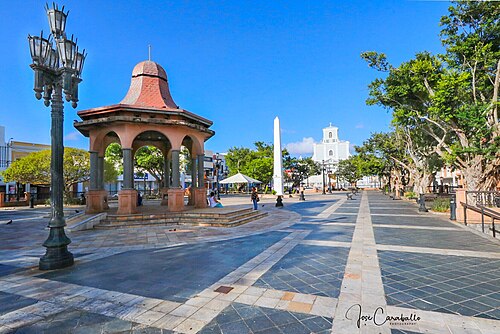
Arecibo is a municipality located on the northern coast of Puerto Rico, known for its rich history, cultural significance, and natural beauty. Founded in 1508 by Spanish colonist Juan Cerón, it is one of the oldest settlements on the island, and its name is derived from the Taíno word for the local river, "Areco." The city has a population of approximately 85,000 residents, making it one of the larger municipalities in Puerto Rico. Arecibo's economy has traditionally been based on agriculture, particularly sugar cane and coffee, but has diversified to include manufacturing and services. The city is also home to the Arecibo Observatory, one of the world's largest radio telescopes, which has played a pivotal role in astronomical research since its completion in 1963.
Arecibo features a variety of attractions that reflect its cultural heritage and natural landscape. The coastline is dotted with beautiful beaches, such as Playa Sardinera and Playa La Cueva, which draw both tourists and locals. The region is also rich in historical sites, including the iconic Arecibo Lighthouse, built in 1898, and several ancient petroglyphs left by the Taíno people, showcasing the island's indigenous history. The Arecibo Observatory, while primarily a research facility, has gained fame for its contributions to the search for extraterrestrial intelligence, and it also served as a filming location for several movies, including “Contact” and “GoldenEye.” The city hosts various festivals throughout the year, such as the Fiestas Patronales, celebrating its patron saint, offering a vibrant display of local culture through music, dance, and traditional food.
Despite facing challenges such as economic fluctuations and the impact of natural disasters, including hurricanes, Arecibo remains a vibrant community with a strong sense of identity. Efforts to preserve its historical sites and promote tourism continue to play a significant role in the city's development. The combination of historical significance, natural beauty, and ongoing cultural initiatives makes Arecibo an important location in Puerto Rico's story, reflecting the island’s diverse cultural tapestry and resilience.
Facts about Arecibo
- Arecibo is home to the Arecibo Observatory, which was the world's largest radio telescope until 2016, a key site for radio astronomy, atmospheric science, and radar observations of planets.
- The city boasts the historic Arecibo Lighthouse, built in 1898, which is one of the few original lighthouses still in operation in Puerto Rico.
- Arecibo has a rich Taíno heritage; the region was inhabited by the Taíno people before the arrival of Europeans, and the Arecibo area contains several archaeological sites with petroglyphs.
- The Arecibo Astronomy and Planetary Science Center offers interactive exhibits and is a unique educational resource in Puerto Rico, focused on space science.
- The Feria de las Flores (Flower Festival) is an annual event held in Arecibo, celebrating the local culture with floral displays, crafts, and live music, showcasing community traditions.
- Arecibo is the largest municipality in Puerto Rico by land area, providing a diverse landscape that includes beaches, caves, and the beautiful Río Grande de Arecibo.
- The region has historical significance through the Arecibo Historical Center, which houses artifacts and showcases the city's colonial history.
- The Arecibo River, which flows through the city, supports various outdoor recreational activities, including kayaking and fishing, distinct from many urban areas of Puerto Rico.
- Arecibo is noted for the unique formation of caves in the nearby area, including the Cueva del Indio, famous for its stunning coastal scenery and historical petroglyphs.
- The city is often referred to as the 'City of the Hundred Peaks' due to its hilly terrain and the scenic view of the surrounding mountains and valleys.