Arendal, Norway
- 30,916 people
- 14 places to visit
- 58.4618, 8.7724
Places to Visit (14)
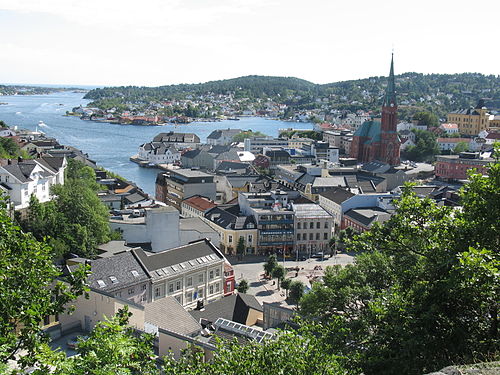
Arendal is a picturesque city located in southern Norway, within Agder county. It serves as the administrative center of Arendal Municipality and has a rich maritime history that dates back to the late 16th century when it was granted market town status. The city is known for its charming wooden houses and a scenic harbor, which is a focal point of local life and culture. Historically, Arendal developed as a significant shipping port and a hub for trade, especially in the timber industry, which played a pivotal role in its economic growth. Its strategic location along the Skagerrak strait made it a natural choice for shipping routes, contributing to its prosperity during the 19th century.
Today, Arendal is celebrated not only for its historical architecture but also for its vibrant cultural scene. The city hosts various festivals throughout the year, including the Arendal International Film Festival and the Canal Street jazz festival, drawing artists and audiences from various parts of Norway and beyond. In addition to its cultural offerings, Arendal is surrounded by beautiful coastal landscapes, islands, and outdoor recreational activities, making it a popular destination for both residents and tourists. The city's commitment to sustainability and environmental protection is evident in its development plans, which aim to balance growth with the preservation of nature. With its blend of history, culture, and natural beauty, Arendal continues to be an attractive place to live and visit.
Facts about Arendal
- Arendal is known for its well-preserved wooden houses, which date back to the 17th and 18th centuries, giving it a unique architectural charm.
- The city is home to the historic Arendal Town Hall, built in the Neoclassical style in 1882, which serves as a symbol of the city's governance and heritage.
- Arendal was once a significant center for shipping and trade in the 19th century, playing a crucial role in Norway's maritime history.
- The local museum, Barnas Bysamling, is dedicated to children's experiences and creativity, making it one of the few museums in the country focused specifically on kids.
- Arendal hosts the annual 'Arendalsuka' political festival, which attracts thousands of visitors and features discussions and presentations from political leaders and organizations.
- The region around Arendal is known for its coastal beauty and islands, providing a stunning backdrop for outdoor activities and boating, distinguishing it from inland cities.
- Arendal has a rich industrial heritage, particularly in shipbuilding and manufacturing, with remnants of this history visible in various historical sites.
- The city served as a base for the famous Norwegian painter Edvard Munch during his youth, linking Arendal to the celebrated artist's early inspirations.
- Arendal's location along the Skaggerak coast allows for unique marine biodiversity, attracting both researchers and tourists interested in the area's natural environment.
- Arendal is part of the Agder county and features the only remaining male choir in Norway, 'Arendal Mannskor', which has performed for over 150 years, showcasing the city's musical heritage.