Arica, Chile
- 221,364 people
- 12 places to visit
- -18.4783, -70.3126
Places to Visit (12)
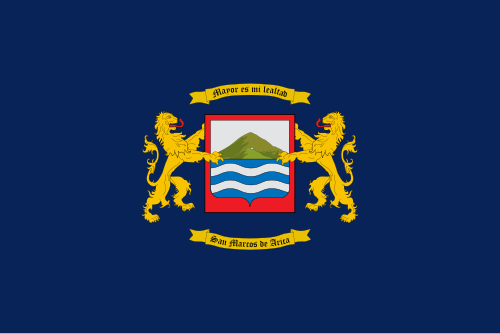
Arica is a coastal city located in the northern region of Chile, renowned for its stunning landscapes, rich history, and cultural significance. It lies near the border with Peru, approximately 18 kilometers south of the Peruvian city of Tacna and around 2,000 kilometers from Santiago, the capital of Chile. With a population of about 220,000, Arica is the administrative center of the Arica and Parinacota Region. The city is known for its unique geography, characterized by a desert climate, beautiful beaches, and the iconic Morro de Arica, a steep cliff that provides panoramic views of the city and the Pacific Ocean.
The history of Arica is deeply tied to its indigenous populations, particularly the Aymara, who inhabited the region long before the arrival of Spanish colonizers in the 16th century. The city was a crucial port during colonial times and has served various economic and military purposes throughout its history. Arica's strategic location also made it a site of conflict, notably during the Pacific War (1879-1884) between Chile, Peru, and Bolivia. The city changed hands multiple times during this conflict, which ultimately resulted in its annexation by Chile. This historical background has influenced the city's cultural landscape, blending indigenous traditions with Spanish colonial heritage.
Today, Arica is celebrated for its cultural festivals, vibrant markets, and historical architecture. The Fiesta de la Virgen de la Candelaria, a significant religious celebration, attracts thousands of visitors each year and showcases traditional dance and music. The city is also a hub for outdoor activities, including surfing, trekking, and exploring the nearby Atacama Desert, one of the driest places on Earth. Arica's economy is supported by agriculture, fishing, and tourism, with its rich marine resources and diverse ecosystems contributing to its appeal. With its unique blend of history, culture, and natural beauty, Arica remains an important destination in Chile, offering visitors a glimpse into the country's diverse heritage and vibrant coastal life.
Facts about Arica
- Arica is known as the 'City of Eternal Spring' due to its mild climate and abundant sunshine throughout the year.
- The city is home to the historic San Marcos Cathedral, designed by the famous French architect Gustave Eiffel, making it an architectural landmark in Chile.
- Arica boasts the highest recorded temperature in Chile, reaching 38.5 °C (101.3 °F) in February 2019.
- The city is significantly influenced by the indigenous Aymara culture, which is still prevalent in its customs and traditions.
- Arica hosts the annual 'Festival of the Virgen de la Candelaria,' celebrating local traditions with music, dance, and colorful parades.
- The region is rich in archaeological heritage, including the nearby chuño (freeze-dried potato) technology used by ancient civilizations in the Andes.
- Arica has one of the lowest annual rainfall averages in the world, which is less than 1 millimeter, contributing to its unique desert landscape.
- The city strategically serves as a gateway to Peru, playing a vital role in international trade through its port.
- Arica is recognized for its excellent surfing conditions, particularly at beaches such as La Lisera and El Gringo, attracting surfers from around the world.
- The city was the site of significant battles during the War of the Pacific (1879-1884), contributing to its rich historical heritage.