Arlon, Belgium
- 26,179 people
- 8 places to visit
- 49.6855, 5.8104
Places to Visit (8)
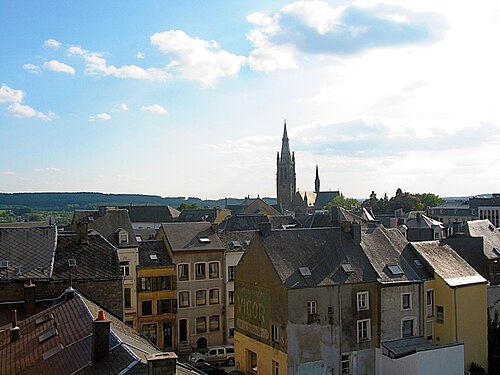
Arlon, the capital of the Belgian province of Luxembourg, is a city steeped in history and culture, situated in the southeastern part of the country near the borders with both France and Luxembourg. With a population of approximately 30,000 residents, it serves as a significant urban center within the region. The city's strategic location has made it an important site throughout history, with traces of human settlement dating back to prehistoric times. Arlon was originally established as the Roman town of Orolangia, which played a crucial role in the Roman Empire's network of roads. This rich historical background is reflected in the city’s architecture, including remnants of Roman walls and the notable Church of Saint Martin, which showcases a mix of Gothic and Baroque styles.
Arlon boasts a vibrant cultural scene that includes a variety of festivals and events throughout the year, celebrating both local traditions and international influences. The city is home to several museums, such as the Archaeological Museum, which displays artifacts from its ancient past, highlighting Arlon's significance during Roman times and beyond. The annual Festival of Arlon draws visitors for music, dance, and culinary delights. In addition to its cultural offerings, Arlon is surrounded by picturesque natural landscapes, making it an attractive destination for outdoor enthusiasts. The Ardennes, known for its rolling hills and dense forests, is nearby, providing opportunities for hiking, cycling, and exploring the scenic beauty of the region. As a center of commerce and education, with numerous shops, markets, and schools, Arlon continues to thrive while maintaining its rich historical and cultural heritage.
Facts about Arlon
- Arlon is the capital of the province of Luxembourg in Belgium, making it a significant administrative center in the southern part of the country.
- The city boasts a rich Roman heritage, being home to the ruins of a Roman villa and the impressive Roman era artifacts showcased in the Museum of Arlon.
- Arlon is known for its unique local specialty, the 'Arlonese biscuit' or 'Biscuit d'Arlon,' a traditional sweet treat that has become a symbol of the city's culinary culture.
- Located near the border with Luxembourg, Arlon has a multicultural atmosphere and influences from neighboring countries, particularly evident in its dialect and cuisine.
- Arlon's stunning town hall, built in the early 20th century, features a remarkable Art Nouveau style that distinguishes it from other municipal buildings in Belgium.
- The St. Martin's Church in Arlon, known for its striking neoclassical architecture, is a central landmark and a testament to the city's historical significance.
- Every September, Arlon hosts the 'Fête de la Saint-Martin,' a lively festival celebrated with parades, music, and local food that showcases the area's traditions.
- Arlon is strategically located near major highways and railways, facilitating easy access to both Brussels and Luxembourg City, enhancing its role as a transportation hub.
- The city has an active cultural scene, with several art galleries and annual events like the 'Arlon Jazz Festival' that attract talent and visitors from across the region.
- Arlon is recognized for its picturesque landscapes, including the nearby Gaume region, known for its rolling hills and scenic beauty, making it a popular destination for outdoor activities.