Arnsberg, Germany
- 76,612 people
- 13 places to visit
- 51.4073, 8.0528
Places to Visit (13)
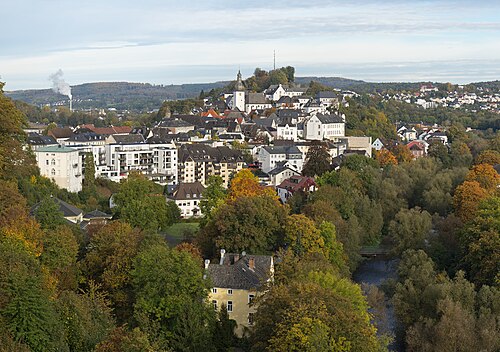
Arnsberg is a historic town located in North Rhine-Westphalia, Germany, nestled in the picturesque Sauerland region. The town, which serves as the administrative center of the Hochsauerlandkreis, is bordered by lush forests and the scenic hills characteristic of the area, making it an attractive destination for nature enthusiasts. Arnsberg's history dates back to the early Middle Ages, with its first historical mention recorded in 780 AD. The town has since evolved into a vibrant community, marked by its rich heritage and well-preserved architecture.
Architecturally, Arnsberg boasts a mix of medieval and modern structures, with highlights including the remnants of the Arnsberg Castle—an imposing fortress that once stood on the hill overlooking the town. The town center is characterized by narrow streets and charming half-timbered buildings, reflecting the typical style of Upper Sauerland. The St. Nicholas Church, with roots dating back to the 12th century, and the historic town hall are also notable landmarks. In addition to its architectural treasures, Arnsberg celebrates a variety of cultural events throughout the year, facilitating a vibrant community spirit.
The local economy of Arnsberg has transitioned over the years from its historical reliance on mining and industry to focus on services, tourism, and retail. The surrounding nature provides ample opportunities for outdoor activities like hiking, cycling, and skiing in winter months, appealing to both residents and visitors alike. The town is well-connected by road and rail to larger cities, such as Dortmund and Siegen, enhancing its accessibility and promoting regional tourism. With a population of approximately 73,000 inhabitants, Arnsberg manages to maintain a friendly, small-town atmosphere while offering a range of amenities and activities that cater to diverse interests. Its blend of history, culture, and natural beauty makes Arnsberg a captivating destination in Germany.
Facts about Arnsberg
- Arnsberg is home to the ruins of the 11th-century Arnsberg Castle, which provides a unique glimpse into medieval architecture and has become a central landmark in the town.
- The city has a rich history as a former capital of the County of Arnsberg, which gives it a distinct historical significance compared to other towns in North Rhine-Westphalia.
- Arnsberg features a charming old town, characterized by its well-preserved medieval buildings and the scenic streets lined with half-timbered houses, distinguishing it from many modern urban areas.
- The city is situated on the banks of the River Ruhr and surrounded by the Arnsberg Forest Nature Park, offering unique outdoor recreational opportunities in a picturesque natural setting.
- Arnsberg hosts the annual 'Arnsberger Heimatfest', a traditional local festival that celebrates the town's culture and history, attracting both locals and tourists.
- The historical St. Johann Baptist Church, built in the Gothic style, is a notable landmark that stands out for its impressive architecture and historical significance.
- Arnsberg played a pivotal role during the Reformation in Germany, serving as a center for Protestantism, which distinguishes its historical narrative from many predominantly Catholic towns.
- The town is part of the 'Sauerland' region, known for its winter sports, and thus serves as a hub for skiing and hiking activities in Germany’s mountainous terrain.
- Arnsberg's Town Hall, built in the late Gothic style, is one of the oldest in the area and serves as a testament to the city's administrative history and local governance.
- In 2008, Arnsberg received the title of 'Federal State Garden Show' city, showcasing its commitment to horticulture and urban gardening, a recognition that helps to promote tourism.