Arrasate / Mondragón, Spain
- 22,019 people
- 3 places to visit
- 43.0649, -2.4902
Places to Visit (3)
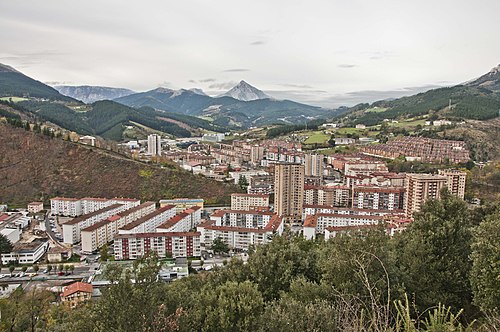
Arrasate, also known as Mondragón, is a municipality located in the province of Gipuzkoa, within the autonomous community of the Basque Country in northern Spain. Nestled in the Deba valley, Arrasate is approximately 30 kilometers southwest of the major city of San Sebastián. The town is characterized by its picturesque landscape, surrounded by lush green hills and dramatic mountains, making it an attractive location for outdoor activities and tourism. The population of Arrasate is around 22,000 inhabitants, and it has a rich history dating back to its founding in the 13th century. Its name, “Arrasate,” comes from the Basque word “arras,” meaning 'to level or make flat,' reflecting the town's geography.
Arrasate has a strong industrial heritage, particularly known for its cooperatives, which play a central role in its economy. The town is the birthplace of the Mondragon Corporation, one of the largest and most successful worker cooperatives in the world, established in 1956. This corporation is a network of cooperatives across various sectors, including manufacturing, retail, and education, and has made significant contributions to the local economy and employment. In addition to its industrial prowess, Arrasate has a vibrant cultural scene. The town hosts numerous festivals throughout the year, celebrating Basque traditions, music, and gastronomy. Among its notable landmarks are the Church of San Juan Bautista, a beautiful Gothic-style structure, and the Plaza de los Fueros, a central square that serves as a hub for social and community activities. Overall, Arrasate embodies a blend of historical significance, economic innovation, and rich cultural identity, making it a key player in both the Basque region and Spain.
Facts about Arrasate / Mondragón
- Arrasate / Mondragón is renowned for being the birthplace of the Mondragon Corporation, one of the world's largest cooperatives, founded in 1956, which has significantly influenced the model of worker cooperatives globally.
- The city is located in the Basque Country, which is known for its unique culture, including its own language (Euskara) that is unrelated to Spanish.
- Arrasate / Mondragón features the iconic Gothic-style church of Santa María in its city center, a significant historical landmark completed in the 13th century.
- The city hosts an annual festival called 'San Andrés' in November, which celebrates the patron saint of the town, featuring traditional Basque music, dance, and local gastronomy.
- Arrasate / Mondragón has a strong industrial heritage, particularly in machine tool and industrial machinery manufacturing, which has positioned it as a key player in the region's economy.
- The city is internationally recognized for its commitment to education and cooperative principles, hosting the Mondragon Unibertsitatea, which integrates vocational training with cooperative business education.
- Arrasate / Mondragón has developed a unique urban environment that prioritizes green spaces and sustainability, with many parks and pedestrian zones enhancing quality of life.
- The town is surrounded by the beautiful natural landscapes of the Basque mountains, providing numerous outdoor recreational opportunities, including hiking and mountain biking.
- Every summer, Arrasate / Mondragón hosts a traditional Basque pelota tournament, showcasing this unique sport that is deeply rooted in the region's culture.
- The city's historical center has a blend of Basque and industrial architecture, with an interesting mix of modern structures and traditional buildings, highlighting its evolution over centuries.