Arusha, Tanzania
- 617,631 people
- 10 places to visit
- -3.3869, 36.683
Places to Visit (10)
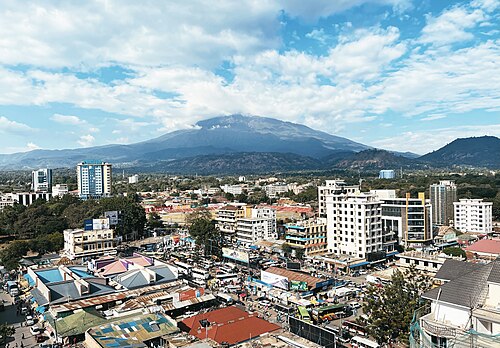
Arusha is a vibrant city located in northern Tanzania, situated at the base of Mount Meru and near the Serengeti National Park and Ngorongoro Crater. As the capital of the Arusha Region, it serves as a significant hub for tourism, culture, and trade. Founded in the early 20th century, Arusha has evolved into one of Tanzania's most important cities, known for its diverse population and rich cultural heritage. The city is often referred to as the "Gateway to Safari" due to its proximity to several national parks, making it a popular starting point for tourists embarking on safaris in the Serengeti and Ngorongoro areas. The city has also gained international recognition as a diplomatic center, hosting the East African Community headquarters and various other multinational organizations.
Arusha enjoys a mild climate characterized by its elevation of approximately 1,400 meters (4,600 feet) above sea level, which contributes to its pleasant weather throughout the year. The city's economy is driven predominantly by agriculture, trade, and tourism, with coffee, horticulture, and livestock being key sectors. The local market, known as the Central Market, is a bustling focal point where residents and visitors can find a wide variety of local produce, crafts, and goods. In addition to its economic activities, Arusha is home to several cultural institutions, including museums and galleries that highlight the region's rich cultural diversity, particularly the traditions of the Maasai people and other ethnic groups. The presence of educational institutions and the International Criminal Tribunal for Rwanda also enhance the city's profile as a center for learning and international cooperation.
Despite facing challenges such as rapid urbanization and the need for infrastructure development, Arusha remains an attractive destination for visitors and expatriates alike. The city's scenic beauty, characterized by views of Mount Meru and its lush surroundings, combined with its role as a cultural and economic hub, make it a vibrant focal point in Tanzania. Events such as the annual Arusha Carnival and the local exhibitions showcase the city's dynamic community spirit and commitment to preserving its cultural identity. With its unique blend of natural beauty, cultural significance, and economic activity, Arusha continues to play a vital role in Tanzania's growth and development.
Facts about Arusha
- Arusha is often referred to as the 'Gateway to the Northern Circuit' for its proximity to several national parks, including Serengeti, Ngorongoro Crater, and Mount Kilimanjaro.
- The city is home to the Arusha Declaration, a pivotal document in Tanzania's post-colonial history that established the principles of socialism and self-reliance in 1967.
- Arusha hosts the International Criminal Tribunal for Rwanda (ICTR), which was established to prosecute those responsible for the Rwandan genocide, making it a significant site for international justice.
- The city is known for hosting numerous cultural festivals, including the annual Twiga Festival, which celebrates local arts and heritage.
- Arusha is an important center for tourism and is known for its coffee plantations, offering tours and tastings that showcase Tanzania's renowned Arabica coffee.
- Arusha National Park, located just outside the city, is unique for its diverse ecosystems that feature both mountains and a rich variety of wildlife, including the rare black and white colobus monkeys.
- The city's geographical location, at the base of Mount Meru, provides breathtaking views and serves as a base for eco-tourism activities such as hiking and bird watching.
- Arusha is culturally diverse, with a mix of ethnic groups, including the Maasai and Chaga, contributing to its rich cultural fabric and traditions.
- The Arusha Clock Tower, which marks the midpoint between Cairo and Cape Town, is a famous landmark and symbolizes the city's importance as a travel hub.
- Arusha is known for its educational institutions, including Nelson Mandela African Institute of Science and Technology, which promotes higher education and research in Africa.