Aschersleben, Germany
- 24,892 people
- 8 places to visit
- 51.7591, 11.4619
Places to Visit (8)
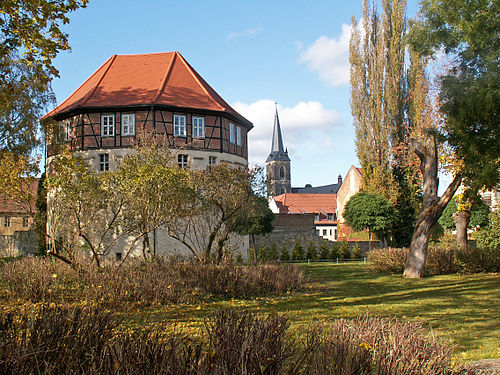
Aschersleben is a picturesque town located in the state of Saxony-Anhalt, Germany. Situated approximately 30 kilometers southwest of Halle and 20 kilometers northeast of Magdeburg, it serves as a gateway between the Harz Mountains and the northern plains of Germany. With a history that dates back over 1,200 years, Aschersleben is one of the oldest towns in the region. Its name, which is derived from the Old High German term for "ash tree," emphasizes the town's historical connection to nature. Aschersleben’s location on the edge of the Harz mountains has historically made it a key point for trade, agriculture, and communication routes.
The town offers a rich array of historical architecture and cultural heritage. One of its most notable landmarks is the Church of St. Stephen, a striking Gothic structure that dates back to the 14th century, recognized for its intricate woodwork and stunning stained-glass windows. The medieval town center, characterized by half-timbered houses and cobblestone streets, has been well-preserved, showcasing the charm of traditional German town design. Aschersleben also hosts several museums, such as the City Museum, which highlights local history and the development of the area from the Middle Ages to the modern era. The economy of Aschersleben has evolved over the years, transitioning from a focus on agriculture to more industrial and commercial activities, while maintaining its cultural and historical significance.
Aschersleben benefits from various recreational opportunities due to its scenic surroundings. Nearby natural attractions include the Harz National Park, where outdoor enthusiasts can engage in hiking, cycling, and winter sports. The town also holds a number of festivals throughout the year, celebrating local culture, art, and traditions, providing both residents and visitors with an immersive experience of the region's heritage. With a population of approximately 30,000 residents, Aschersleben continues to develop while honoring its rich history, making it a notable and inviting destination in the heart of Germany.
Facts about Aschersleben
- Aschersleben is one of the oldest cities in Germany, with its first documented mention dating back to 784 AD.
- The city is known for its well-preserved medieval architecture, including the St. Stephen's Church, which features stunning Gothic designs and valuable art pieces.
- Aschersleben was a significant center of the wool and textile industry during the Middle Ages, contributing heavily to its economic development and prosperity.
- The city is located near the Harz Mountains, making it a gateway for outdoor activities like hiking and skiing, differentiating it from many urban centers in Germany.
- Aschersleben hosts the annual 'Ascherslebener Stadtfest', a traditional city festival celebrating local culture, music, and gastronomy, attracting visitors from the surrounding regions.
- The historic 'Market Square' in Aschersleben is one of the key attractions, showcasing a mix of Renaissance and Baroque architecture that reflects its rich history.
- Aschersleben was an important center during the Reformation and played a role in the spread of Lutheranism in northern Germany.
- The city has a unique historical connection to the local coal mining industry, which fueled its economy in the 19th and 20th centuries, highlighted by the nearby former mining areas.
- Aschersleben is part of the larger Salzlandkreis district, which is known for its salt extraction, further adding to the region's economic significance in Germany.
- The city features various museums, including the 'Museum der Stadt Aschersleben', which showcases the local history and culture through exhibits and artifacts.