Asheville NC, United States
- 88,512 people
- 16 places to visit
- 35.5951, -82.5515
Places to Visit (16)
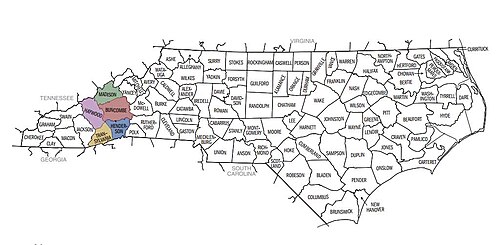
Asheville, North Carolina, is a vibrant city nestled in the Blue Ridge Mountains, known for its stunning natural beauty, rich history, and diverse cultural scene. Established in the 19th century, Asheville became an important trading and manufacturing center. Its strategic location along the French Broad River and near major transportation routes contributed to its growth. The city played host to notable figures throughout history, including F. Scott Fitzgerald and Thomas Wolfe, both of whom were captivated by its mountains and artistic spirit. The city's architecture is marked by a blend of styles, with a significant number of historic buildings, including the opulent Biltmore Estate, the largest privately-owned home in the United States, built by George Washington Vanderbilt II in the late 1800s.
Today, Asheville is recognized for its thriving arts community and is often regarded as a hub for artists and musicians. The city's downtown area is filled with art galleries, studios, craft shops, and a lively arts district, drawing visitors year-round. Asheville has also made a name for itself in the culinary world, boasting numerous farm-to-table restaurants, breweries, and coffee roasters that highlight the region's local produce. The city hosts a variety of festivals and events, including the Asheville Film Festival and the LEAF Festival, which celebrate the arts and music. Outdoor enthusiasts flock to the region for its abundant hiking trails, scenic drives, and access to the Blue Ridge Parkway, providing breathtaking views and recreational opportunities. Overall, Asheville's unique blend of culture, history, and natural beauty makes it a captivating destination for residents and visitors alike.
Facts about Asheville
- Asheville is known for its vibrant arts scene, which includes a large community of artists, musicians, and performers, making it one of the most artistic cities in the United States.
- The Biltmore Estate, located in Asheville, is the largest privately-owned home in the U.S., constructed by George Washington Vanderbilt II in the late 19th century, and features 250 rooms and extensive gardens.
- Asheville has been recognized as the 'Beer City USA' due to its high number of breweries per capita and is a hub for craft beer enthusiasts, hosting events like Asheville Beer Week.
- The city is surrounded by the Blue Ridge Mountains and is a gateway to the Blue Ridge Parkway, offering stunning scenic drives and numerous outdoor recreational activities.
- Asheville has a rich history in music, especially in bluegrass, and is home to the Asheville Music Hall, which showcases both local and national artists across various genres.
- The city is known for its commitment to sustainability and has many initiatives that focus on local food, renewable energy, and environmentally-friendly practices.
- Asheville hosts the annual LEAF Festival, a multicultural music and arts festival that showcases local and international artists, offering a blend of music, art, and cultural experiences.
- The River Arts District in Asheville is a unique area where visitors can interact directly with artists in their studios, making it a vibrant cultural destination.
- Asheville was once a popular health resort in the early 20th century, attracting visitors seeking the therapeutic benefits of its mountain climate and natural hot springs.
- The city is also recognized for its historical significance, having been a key location for civil rights movements in the 1960s and continuing to promote inclusivity and diversity.