Assab, Eritrea
- 21,300 people
- 1 places to visit
- 13.0139, 42.7369
Places to Visit (1)
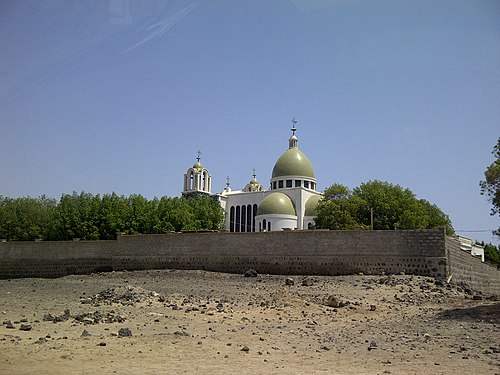
Assab is a coastal city located in the southern Red Sea region of Eritrea, serving as a significant port city on the African continent. It is situated in the Southern Red Sea Zone, approximately 50 kilometers from the border with Djibouti, and is known for its strategic position along the Red Sea trade routes. Historically, Assab has been influenced by various cultures and civilizations due to its location, which has made it a melting pot of diverse communities. Initially established in the mid-19th century, Assab was developed into a prominent trading hub, particularly attracting Italian interests in the late 19th century when it served as a colony that helped establish Italian Eritrea. The city's port has facilitated trade and maritime activities, connecting Eritrea with other countries in the region.
The climate in Assab is characterized by hot and dry conditions, featuring a desert climate with minimal rainfall. This climate, along with its coastal location, has shaped the economic activities in the city. Fishing and trade have historically been the mainstay of Assab's economy, while contemporary industries include shipping and logistics due to the operational port. The port of Assab plays a crucial role in Eritrea's economy, providing vital access for imports and exports. However, political and economic challenges have affected the city, particularly after the Eritrean-Ethiopian War, which impacted trade routes and land access to neighboring nations. Despite these challenges, Assab remains culturally rich, with a predominantly Afro-Arab population, showcasing a blend of Eritrean traditions and influences from the Arabian Peninsula.
Assab's cultural landscape is further enhanced by its historical architecture and sites, reflecting both its Italian colonial past and the indigenous Eritrean heritage. Landmarks such as the old Italian railway station and various colonial-era buildings bear testament to the city’s historical significance. The city has become a focal point for internal migration within Eritrea, attracting people looking for work and better living conditions. Although Assab faces ongoing economic and infrastructural challenges, the city continues to represent a vital part of Eritrea's identity and economic aspirations, making it an important point of interest for both historians and contemporary analysts of the region. With ongoing developments and a renewed focus on trade and infrastructure, Assab holds the potential for growth in the future as Eritrea seeks to enhance its maritime capabilities and boost its economy.
Facts about Assab
- Assab is located on the southeastern coast of Eritrea, making it the country's only seaport on the Red Sea.
- The city plays a crucial role in Eritrea's economy as a major center for trade and shipping due to its strategic port.
- Assab was historically part of Ethiopia until Eritrea gained independence in 1993, which distinguishes its historical context from other Eritrean cities.
- The architecture of Assab reflects its Italian colonial past, featuring unique buildings and infrastructure that differ from other cities in Eritrea.
- The city is known for its rich marine resources, which supports both local fishing industries and contributes to its economy.
- Assab is home to several diverse ethnic groups, leading to a unique cultural mix that is distinct from other areas in Eritrea.
- It has experienced significant demographic changes and challenges due to regional conflicts and migrations in the Horn of Africa.
- Assab hosts seasonal events, such as traditional festivals and cultural celebrations, that showcase its vibrant community life.
- The city features the Assab National Park, which is known for its unique coastal and marine ecosystems, drawing nature enthusiasts.
- Assab has a relatively mild climate compared to other Eritrean towns, making it a unique destination for visitors.