Assiut, Egypt
- 528,669 people
- 1 places to visit
- 27.1783, 31.1859
Places to Visit (1)
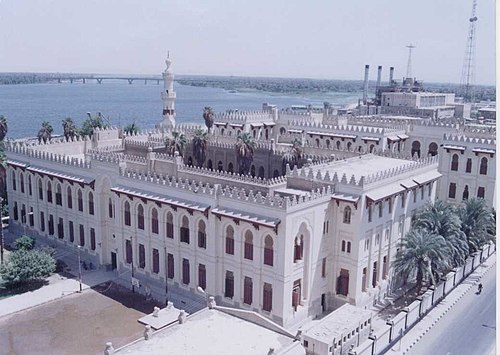
Assiut is a prominent city located in central Egypt, serving as the capital of the Assiut Governorate. Situated approximately 375 kilometers south of Cairo along the Nile River, Assiut is one of Egypt's oldest cities, with archaeological evidence pointing to its historical significance dating back to Pharaonic times. The city was known in ancient Egypt as "Suppet," and it played a crucial role as a regional administrative center. Today, Assiut is a vital hub for education and industry, boasting several institutions, including Assiut University, which is among the largest and most important universities in Egypt.
The economy of Assiut is diverse, with agriculture, trade, and manufacturing playing significant roles. The fertile lands surrounding the city benefit from the Nile's annual flooding, allowing for the cultivation of crops such as cotton, wheat, and other grains. The city's location on the Nile also facilitates transportation and trade, promoting the exchange of goods between Upper and Lower Egypt. Additionally, Assiut has industrial sectors that produce textiles, foods, and construction materials. Despite its urban development, the city retains a strong connection to its cultural heritage, with numerous mosques and churches reflecting the region's Islamic and Coptic Christian history.
In terms of demographics, Assiut is one of Egypt's largest cities, with a population exceeding 400,000 residents. It features a blend of traditional and modern influences, resulting in a vibrant urban life. Cultural events, festivals, and educational activities enrich the community, making Assiut not only a center of trade and learning but also a place where history and contemporary life coexist. Despite facing challenges such as urbanization and socio-economic issues, Assiut remains a crucial part of Egypt's landscape, contributing to the nation's history, culture, and economy.
Facts about Assiut
- Assiut is home to the historic Assiut University, founded in 1976, which is one of the largest educational institutions in Upper Egypt.
- The city is known for its unique and historic Coptic Christian monasteries, including the Monastery of Saint Anthony, which dates back to the 4th century.
- Assiut is strategically located on the west bank of the Nile, making it a significant trade and transport hub in Upper Egypt since ancient times.
- The city was the site of a major battle during World War I, known as the Battle of Assiut, which played a role in the defense of the Suez Canal.
- Assiut hosts the famous Assiut International Festival, which showcases traditional arts, crafts, and performances, celebrating the culture of Upper Egypt.
- The city is renowned for its local crafts, particularly in textile production and handwoven carpets that reflect the rich cultural heritage of the region.
- Assiut is associated with the production of high-quality dates and is known for its agriculture, particularly in growing crops like cotton and wheat.
- The Assiut Barrage, completed in the early 20th century, is significant for irrigation and flood control, affecting agriculture along the Nile.
- The city is a center for the Coptic Church and has numerous ancient churches and historical sites related to Coptic heritage.
- Assiut has a vibrant local economy that includes industries such as textiles, agriculture, and construction, distinguishing it from other cities that may rely more heavily on tourism.