Asti, Italy
- 74,348 people
- 13 places to visit
- 44.9008, 8.2064
Places to Visit (13)
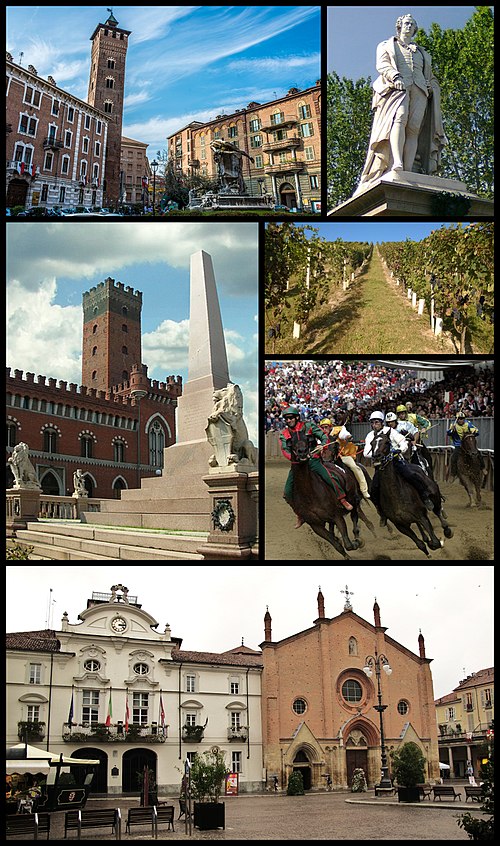
Asti is a historic city located in the Piedmont region of northwestern Italy, approximately 50 kilometers east of Turin. Renowned for its rich cultural heritage and stunning architecture, Asti serves as the capital of the Province of Asti. The city is believed to have ancient origins, dating back to Roman times when it was known as "Hasta." Its strategic position on the trade routes connecting northern Italy with the rest of Europe has contributed significantly to its development throughout the centuries. Today, Asti is celebrated for its well-preserved medieval structures, including the striking 13th-century cathedral of San Giovanni Battista and the impressive Palazzo Mazzetti, which showcases Baroque aesthetics.
Asti is particularly famous for its wine production, being situated in the heart of the renowned wine-producing region of Langhe, Roero, and Monferrato. The city is best known for Moscato d'Asti, a sweet, sparkling white wine that has gained international acclaim. The annual Asti Wine Festival, held in September, attracts thousands of visitors who come to experience the local wines, gastronomy, and vibrant street life. Beyond its wine, Asti boasts a culinary scene rich in traditional Piedmontese dishes, including agnolotti and bagna cauda, which highlight local flavors. The city also plays host to various events throughout the year, including the Palio di Asti, a historical horse race that dates back to the 13th century and showcases the city's medieval heritage and local pride.
With its combination of historical significance, culinary richness, and cultural vibrancy, Asti stands as a captivating destination for both tourists and locals alike. The seamless blend of tradition and modernity, along with its picturesque landscapes and welcoming atmosphere, solidifies Asti’s reputation as a unique gem in Italy's treasure trove of cities. Visitors are often drawn to the charming cobblestone streets, lively piazzas, and the warm hospitality of its residents, making it an ideal location for those seeking an authentic Italian experience.
Facts about Asti
- Asti is renowned for its production of Asti Spumante, a famous sparkling wine that is celebrated worldwide.
- The city is home to the Palio di Asti, a traditional horse race that dates back to the 13th century, held annually in September.
- Asti boasts a well-preserved medieval architecture, including over 100 towers, which differentiates it from many other Italian cities.
- The Cathedral of Santa Maria Assunta in Asti features a unique Baroque interior and is known for its impressive frescoes and artworks.
- Asti has a rich history as a free commune during the Middle Ages, allowing it to develop its autonomous governance and culture.
- The annual Asti Festival del Tartufo (Truffle Festival) celebrates local culinary delights, focusing on the prized white truffle from the region.
- Asti's historic city center is characterized by its narrow streets and lively piazzas, making it a picturesque representation of Italian urban life.
- The city was a significant player in the Italian Unification Movement, contributing to social and political changes in the 19th century.
- Asti is located in the Piedmont region, known for its rolling hills and vineyards, which contribute to its unique viticulture compared to other Italian areas.
- The city is noted for its vibrant market culture, with the weekly market on Saturdays being one of the largest in northern Italy.