Astrakhan, Russian Federation
- 533,925 people
- 7 places to visit
- 46.3586, 48.0569
Places to Visit (7)
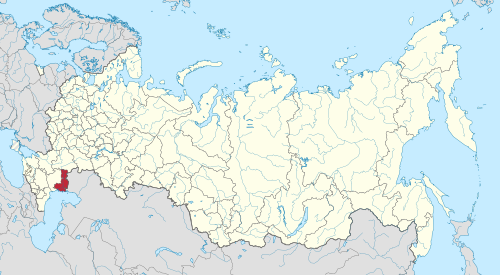
Astrakhan is a city located in the southern part of the Russian Federation, serving as the administrative center of Astrakhan Oblast. Positioned at the mouth of the Volga River, where it flows into the Caspian Sea, the city is strategically significant as a vital commercial and cultural hub. Astrakhan has a rich history that dates back to the 13th century when it was established as a fortress. The city's name is derived from the Tatar word "ashtrakh," which means "fortress." Over the centuries, Astrakhan has seen the influence of various cultures, including the Mongols, Persian merchants, and Russian Tsars, ultimately becoming a key point of trade linking Europe and Asia.
Astrakhan is notable for its diverse population, which includes Russians, Tatars, and many other ethnic groups, contributing to a multicultural atmosphere. The city's architecture reflects its historical significance and cultural diversity, with landmarks such as the Astrakhan Kremlin, a UNESCO World Heritage site, showcasing a blend of Russian and Eastern architectural styles. The city's economy is predominantly driven by fishing, agriculture, and trade, given its proximity to the Caspian Sea and the Volga River. The fishing industry, particularly sturgeon and caviar production, has historically been a major economic driver for the region. Additionally, Astrakhan plays an essential role in Russia's transport and logistics networks, with established shipping routes and road connections facilitating commerce.
Astrakhan also boasts a vibrant cultural scene, hosting various festivals that celebrate its multifaceted heritage. The city is home to several theaters, museums, and galleries that showcase local art and history. Notable cultural events include the Astrakhan International Music Festival and the Astrakhan City Day, which draw visitors from across the region. The city's climate is characterized as continental, with cold winters and hot summers, making it an ideal location for agriculture, particularly in the growing of grains and fruits. Overall, Astrakhan is a city steeped in history and culture, making it an intriguing destination in the Russian Federation.
Facts about Astrakhan
- Astrakhan is known as the 'Gateway to the Caspian Sea,' serving as a vital port city for trade and transportation.
- The Astrakhan Kreml, a UNESCO World Heritage Site, is one of the few kremlins in Russia that is built not of stone but of brick and boasts a unique architectural style.
- Astrakhan is famous for its diverse culinary heritage, particularly for its fish dishes, such as Astrakhan sturgeon, which is renowned for producing high-quality caviar.
- The city has a significant historical connection to the Silk Road, acting as a crucial point of trade between Europe and Asia during the Middle Ages.
- Astrakhan is home to the unique Astrakhan region's steppes, which are rich in biodiversity and host various migratory bird species, making it a popular spot for birdwatching.
- The Astrakhan Drama Theater, founded in 1821, is one of the oldest theaters in Russia and has a rich tradition of performing classic and contemporary plays.
- Astrakhan is known for its annual festivals, including the Fish Festival, celebrating the city's rich fishing heritage and its cultural significance related to the Caspian Sea.
- The city has a distinct multicultural atmosphere, with a mix of Russians, Tatars, Kazakhs, and several other ethnic groups contributing to its vibrant culture.
- Astrakhan is strategically located at the intersection of major transport routes, making it an important regional center for logistics and commerce.
- The city is also known for its numerous churches and mosques, reflecting the region's historical religious diversity and cultural interplay.